
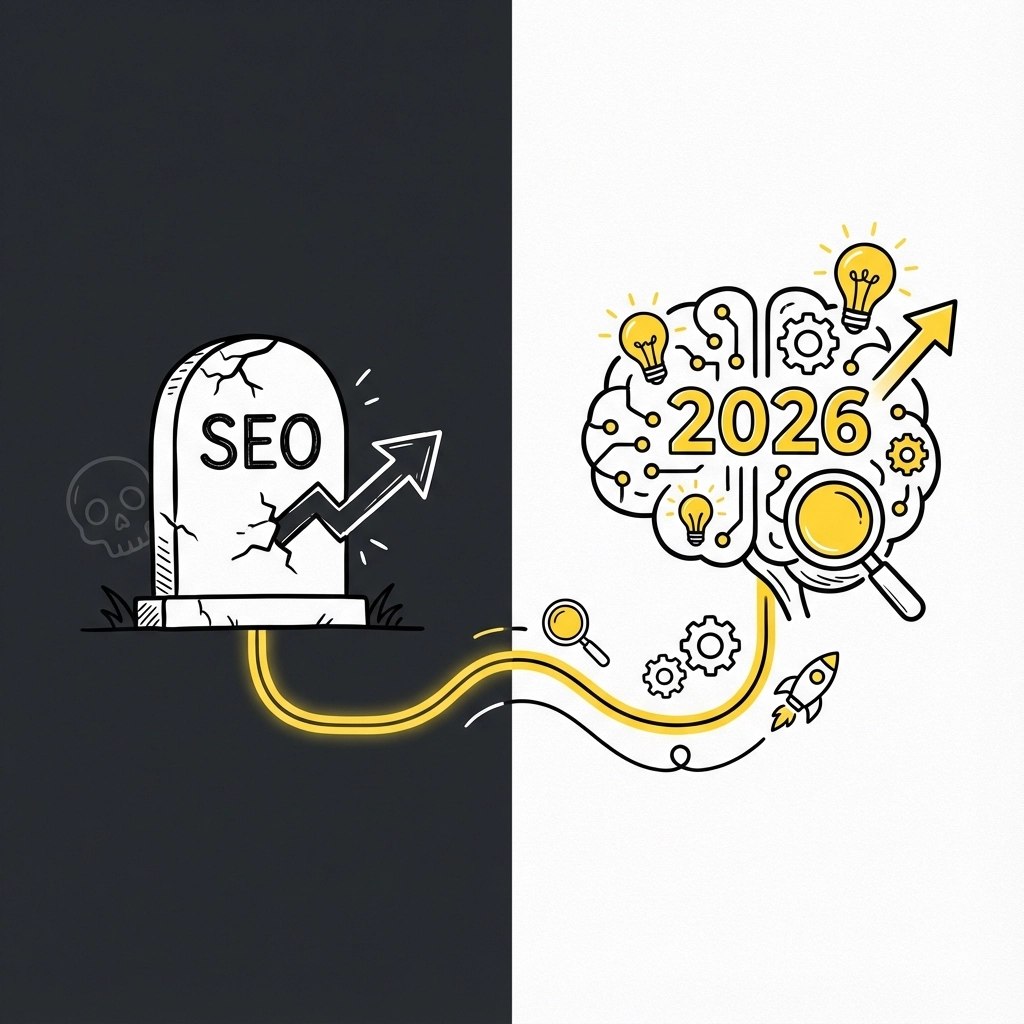
Remember when people said "print is dead" and then "email is dead" and then "SEO is dead"? Well, plot twist: SEO didn't die, it just went to grad school and came back with a PhD in artificial intelligence and a minor in mind-reading.
If you've been treating SEO like it's still 2019, you're basically showing up to a Tesla convention with a horse and buggy. Sure, both will get you places, but one's going to get some very confused looks.
AI Crashed the SEO Party (And Brought Snacks)
The biggest game-changer? AI isn't just helping us write content anymore, it's literally answering search queries before people even hit "enter." By 2026, AI assistants are expected to handle about 25% of all searches. That's like having a really smart friend who knows everything and never gets tired of your questions.
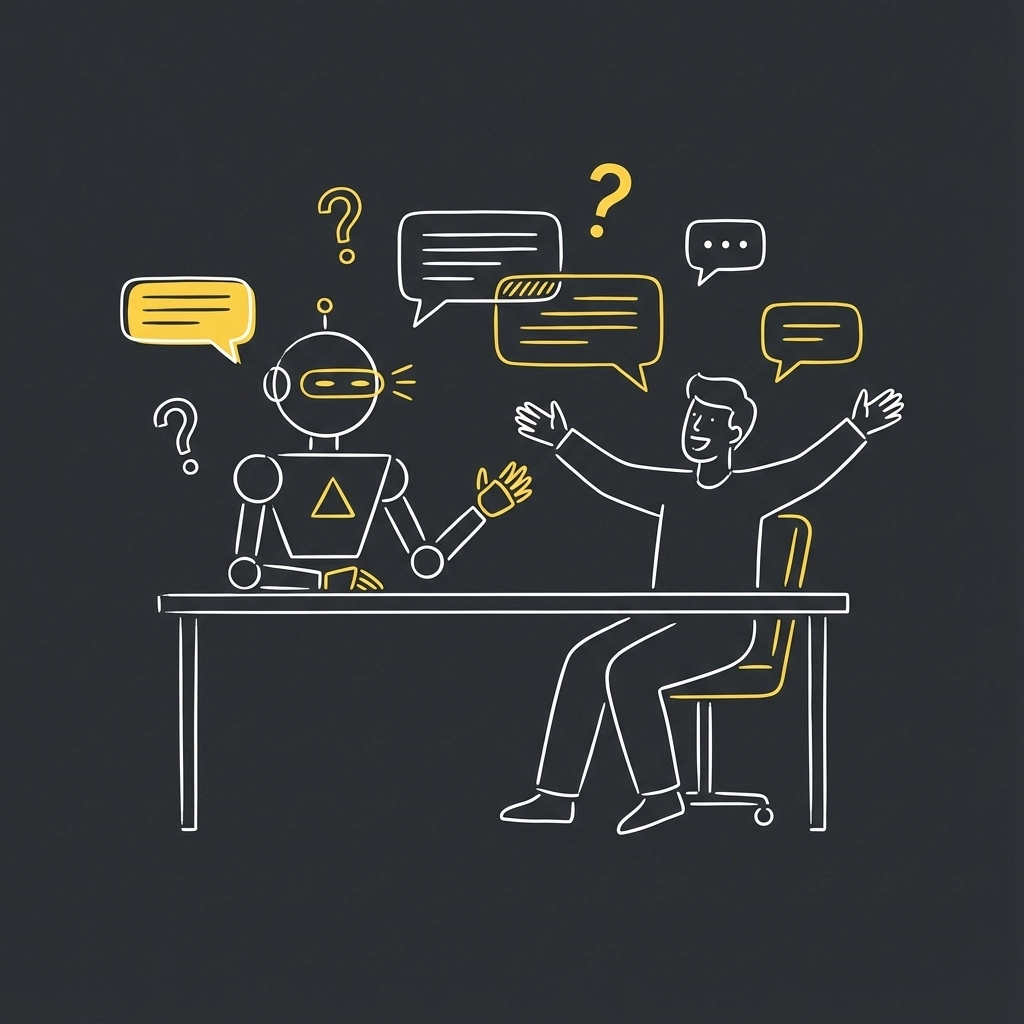
This means people aren't just typing "best pizza Worcester" anymore. They're having full conversations: "Hey AI, I'm having my in-laws over for dinner, they're picky eaters, one's gluten-free, and I need something that won't break the bank. What are my options?"
Suddenly, your perfectly optimized "Best Pizza Worcester 2026" page is competing with AI that's pulling from dozens of sources to craft a personalized answer. The solution? Don't just optimize for search engines, optimize for the AI systems that are reading your content and deciding whether you're worth mentioning.
Welcome to AEO: AI Engine Optimization
If SEO was learning to speak Google's language, AEO (AI Engine Optimization) is learning to speak AI's language. And trust us, AI is chatty.
The new kid on the block is something called an "llms.txt file", think of it as a sitemap, but for AI systems. It's like leaving breadcrumbs for AI to find your best content, except these breadcrumbs are digital and way more useful than the ones Hansel and Gretel used.
But here's where it gets really sci-fi: "agentic AI" is coming. These are AI systems that can autonomously browse the web, analyze content, and make decisions about what's valuable. It's like having millions of robot assistants scanning every website to find the perfect answer to any question. No pressure or anything.
E-E-A-T: The New Sheriff in Search Town
Experience, Expertise, Authoritativeness, and Trustworthiness (E-E-A-T) used to be important. Now it's basically the bouncer at the SEO nightclub, if you don't have it, you're not getting in.
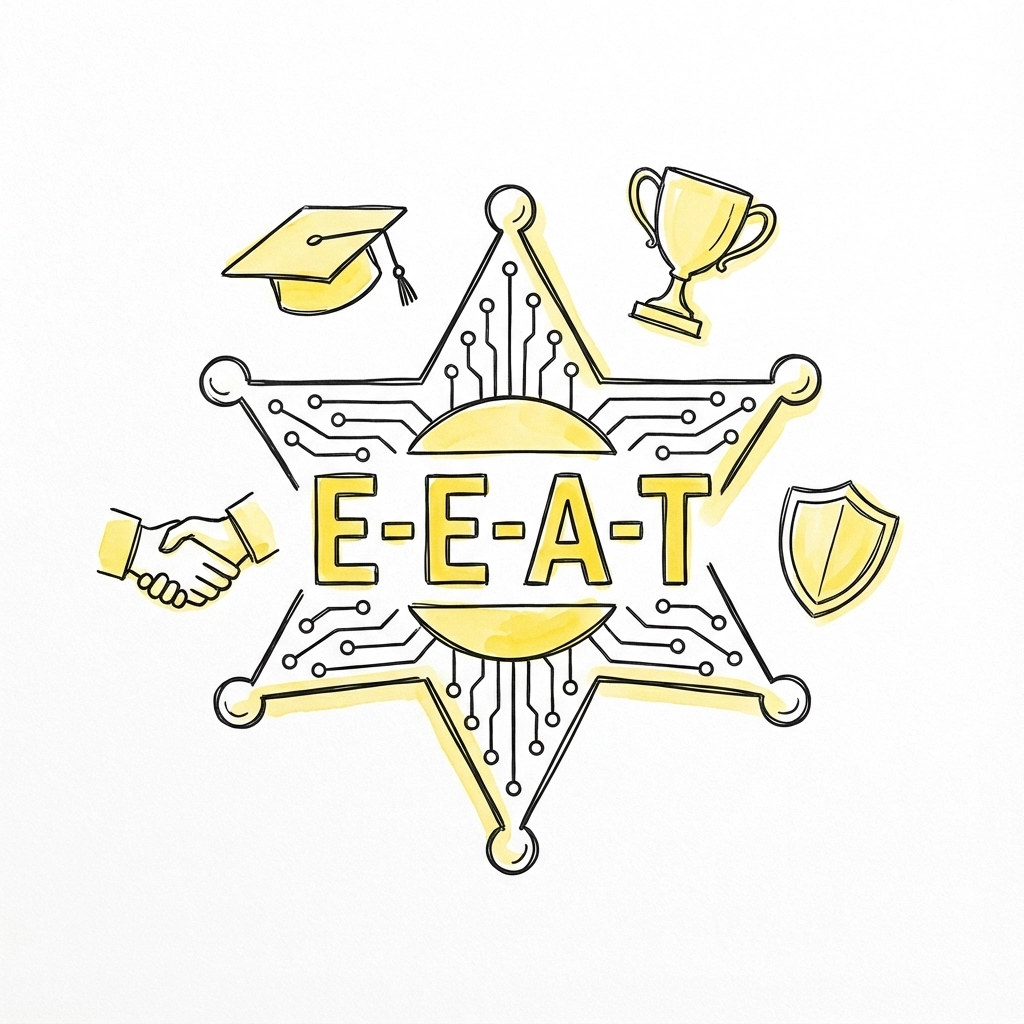
With AI-generated content flooding the internet faster than recipes on Pinterest, Google is getting picky about who it trusts. It's not enough to have good content anymore; you need to prove you're a real human with real expertise who actually knows what they're talking about.
Want to build E-E-A-T? Get yourself out there. Appear on podcasts, give interviews, collect reviews, and get mentioned on other websites. Basically, become the person everyone thinks of when they need an expert in your field. It's like networking, but with algorithms watching.
Humans vs. Robots: The Content Showdown
Here's the plot twist that M. Night Shyamalan would be proud of: in a world flooded with AI content, human-written content is becoming more valuable, not less.
Sure, you could pump out thousands of AI-generated blog posts and hope some stick. It's like throwing spaghetti at the wall, except the spaghetti is made of ones and zeros, and the wall is Google's algorithm.
But the smart money is on creating fewer, better pieces of content that come from actual human experience. AI can write about "10 Tips for Better Marketing," but it can't write about that time you accidentally sent a Valentine's Day email to your entire client list in July and somehow got three new clients from it.
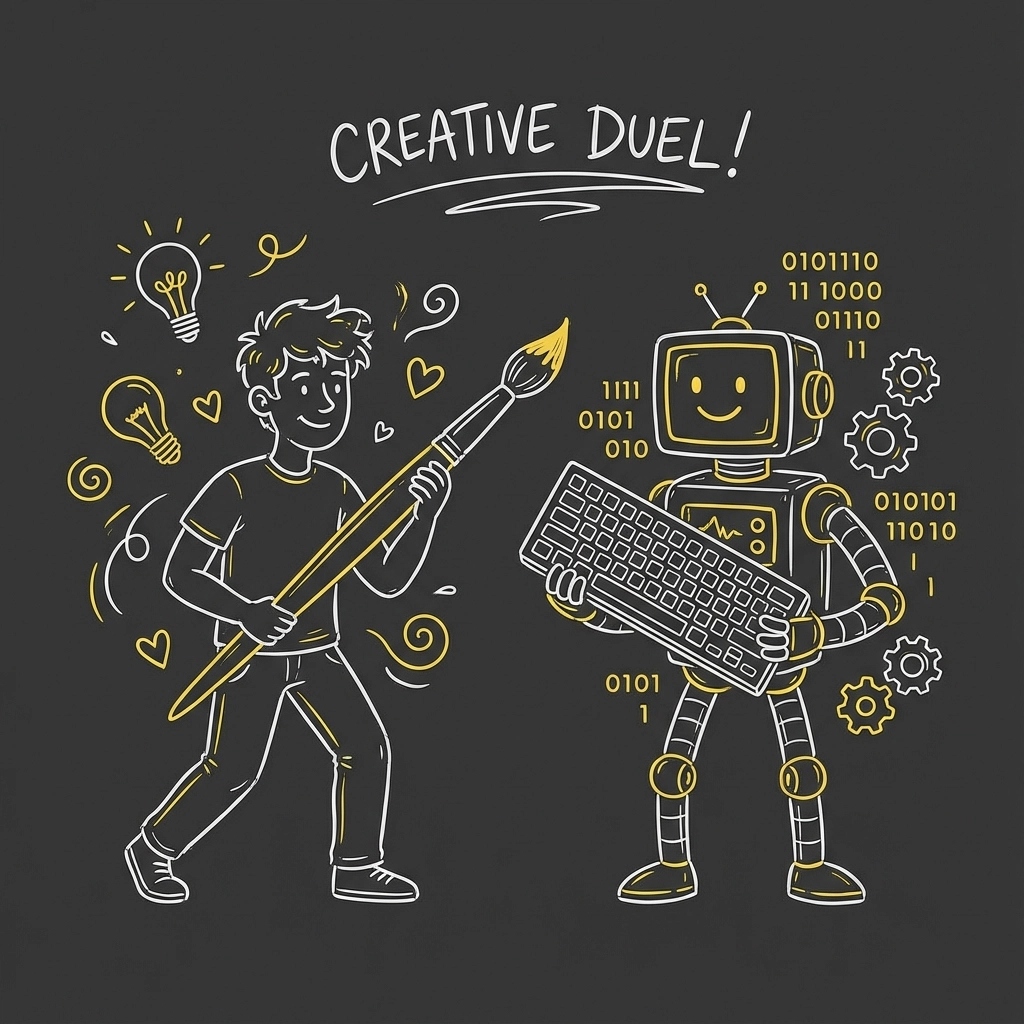
Your lived experiences, your unique insights, your "that reminds me of the time when…" stories, these are your secret weapons in the AI age. They're the digital equivalent of a handmade item in a world of mass production.
It's Not Just What You Search, It's Who You Are
Remember when Google treated everyone the same? Those were simpler times, like when we thought flip phones were peak technology.
Now, AI personalizes search results based on who you are, not just what you're asking. Two people searching "best marketing strategy" might get completely different answers based on their business size, industry, past searches, and probably their favorite coffee order (okay, maybe not the coffee part, but you get the idea).
This means you can't just think about search intent anymore, you need to think about search personas. Who is this content for? What's their background? What keeps them up at night? It's like writing thank-you cards, but for algorithms.
The Brand Name Game
Here's a sneaky little strategy that's gaining traction: getting people to search for your brand name plus your target keyword. It's like training Google to associate your brand with specific topics.
The goal is to get people searching "141 Creative web design" or "141 Creative digital marketing" often enough that Google starts thinking, "Oh, these people must be THE web design experts," and starts ranking you higher for "web design" alone.

It's like becoming famous enough that people don't just search for "pizza", they search for "[Your Restaurant Name] pizza" because they already know where they want to go.
Title Tags Got a Personality Transplant
Gone are the days of robotic title tags like "SEO Services | Worcester | 141 Creative." That's about as exciting as watching paint dry in slow motion.
The new approach is more like YouTube: "I Tested 47 SEO Tools So You Don't Have To (The Results Will Shock You)." Okay, maybe don't go full clickbait, but adding personality, emotion, and actual human language to your titles is the move.
Think of it this way: if your title tag was a person at a party, would people want to talk to them, or would they be the one standing alone by the snack table?
Be Everywhere (Digitally Speaking)
Having a website used to be enough. Now, that's like having a business card but never showing up to networking events. AI systems pull information from everywhere, social media, review sites, industry directories, news articles, podcasts, and that random forum where someone mentioned your business three years ago.
If you only exist on your own website, you're invisible to AI systems. It's like being the most interesting person in the world, but only talking to your mirror.
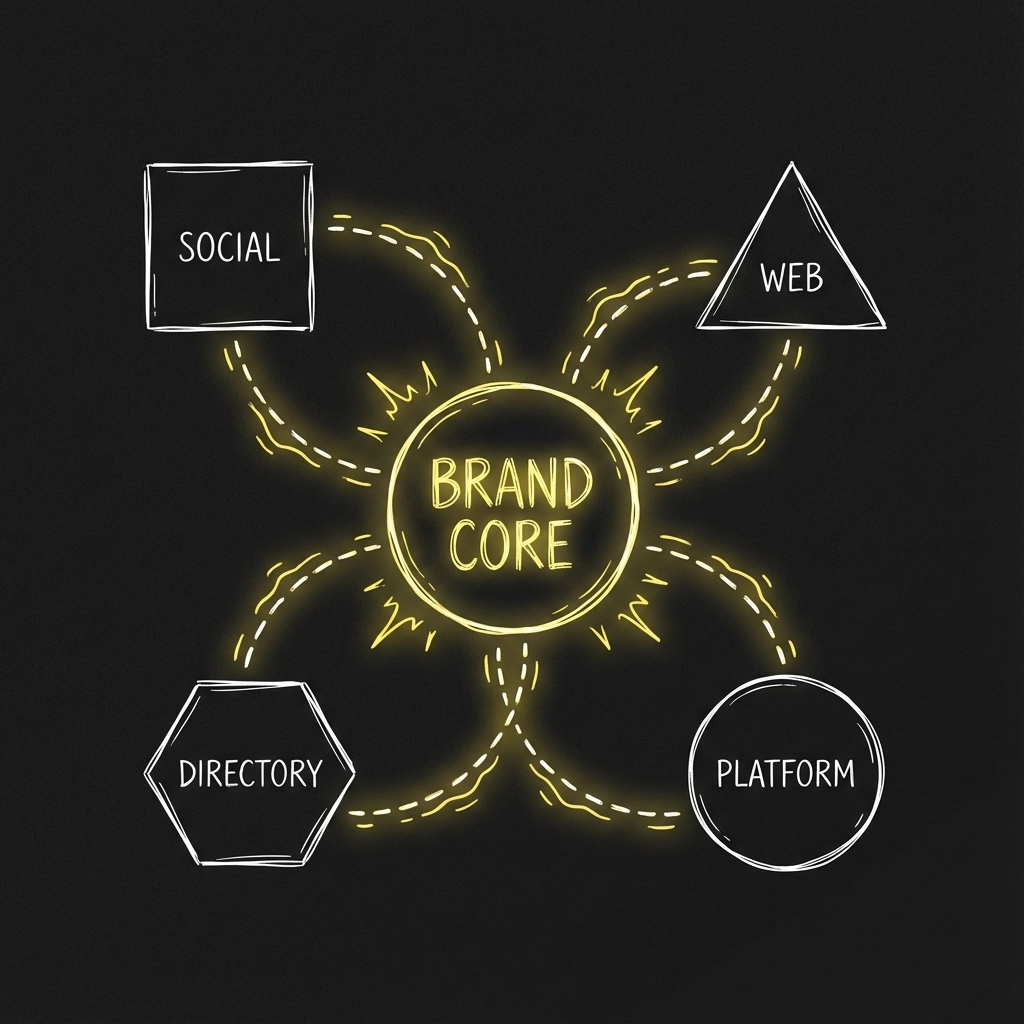
You need to be discoverable across multiple platforms. Not because you're desperate for attention (well, maybe a little), but because that's where AI goes looking for information to compile into answers.
The Multi-Platform Reality
Traditional Google rankings are still important, but they're no longer the only game in town. It's like when cable TV was everything, and then suddenly Netflix, Hulu, Disney+, and seventeen other streaming services showed up to the party.
You need visibility in AI-generated answers, voice search results, social media discovery, video platforms, and whatever new search interface someone invents next Tuesday. The search landscape is diversifying faster than a portfolio manager's investment strategy.
The Bottom Line for 2026
SEO isn't dead, it just got a major software update. The brands winning in 2026 are the ones who realized that search optimization now means:
- Creating genuinely helpful content from real experience
- Building authority across multiple platforms
- Optimizing for both humans and AI systems
- Developing a recognizable brand that people actually search for
- Being present everywhere your audience might look for answers
It's more complex than the old days, sure. But it's also more rewarding. Instead of gaming the system, you're actually becoming the expert your audience needs. And honestly? That's way more fun than stuffing keywords into meta descriptions and hoping for the best.
So yeah, SEO got smarter. The question is: are you ready to level up with it?
0 Comments