

In the ever-evolving world of digital marketing, it's easy to get caught up in the latest shiny objects. We've all been there—scrambling to master the newest social platform or algorithm update while wondering if our marketing strategies will be obsolete by next quarter.
But here's the plot twist: amid the digital marketing chaos of 2025, many of the most effective strategies aren't actually new at all. They're the classics—the tried-and-true approaches that have simply adapted to our current technological landscape while remaining fundamentally unchanged at their core.
At 141 Creative, we've seen trends come and go, but these six timeless strategies continue to deliver impressive results for our clients. Let's break down why these classics still click in 2025.
1. Content Marketing: Still King of the Castle
Remember when "content is king" became the marketing mantra? Well, the monarchy is still going strong in 2025. What's changed isn't the importance of content but rather how we create, distribute, and measure it.
Today's content marketing success relies on:
- Value-first thinking: Creating resources that solve real problems for your audience
- Strategic distribution: Knowing exactly where your specific audience consumes content
- Format diversity: Repurposing core ideas across blogs, videos, podcasts, and interactive tools
- Content intelligence: Using AI to optimize topics and formats for specific audience segments
The most successful brands in 2025 maintain content calendars that balance evergreen resources with timely, relevant pieces that address current trends or challenges. They're not just creating content; they're building comprehensive resource libraries their audiences actually want to use.

A client in the B2B software space recently told us: "We've tried every new marketing tactic that's come along, but our blog still drives 65% of our qualified leads. We've just gotten smarter about how we create and promote it."
Check out our guide on content creation best practices to see how the fundamentals haven't changed—they've just gotten more sophisticated.
2. Email Marketing: The Workhorse That Won't Quit
Email marketing remains one of the highest-ROI channels in 2025, with an average return of $42 for every $1 spent. While social platforms come and go (pour one out for Twitter), email has maintained its position as the digital marketing backbone.
The most effective email strategies in 2025 include:
- Hyper-segmentation: Going beyond basic demographics to behavioral and intent-based segmentation
- Automation sequences: Creating nuanced journeys based on specific user actions
- Interactive elements: Incorporating polls, quizzes, and interactive content directly within emails
- Personalization at scale: Using AI to generate genuinely relevant content for each recipient
What makes email marketing timeless is its direct line to your audience. Unlike social media, you're not fighting an algorithm for attention—you just need to provide enough value to keep subscribers engaged.
3. SEO: The Long Game That Keeps Paying Off
SEO has been declared "dead" approximately 372 times since 1998, yet it remains one of the most reliable traffic sources for businesses in 2025. The rules have evolved, but the fundamental principle remains: help users find exactly what they're looking for.
Modern SEO success requires:
- User intent optimization: Creating content that precisely matches what searchers want to accomplish
- E-E-A-T principles: Demonstrating Experience, Expertise, Authoritativeness, and Trustworthiness
- Technical excellence: Ensuring your site meets all Core Web Vitals and technical requirements
- Semantic relevance: Optimizing for topics and concepts rather than just keywords
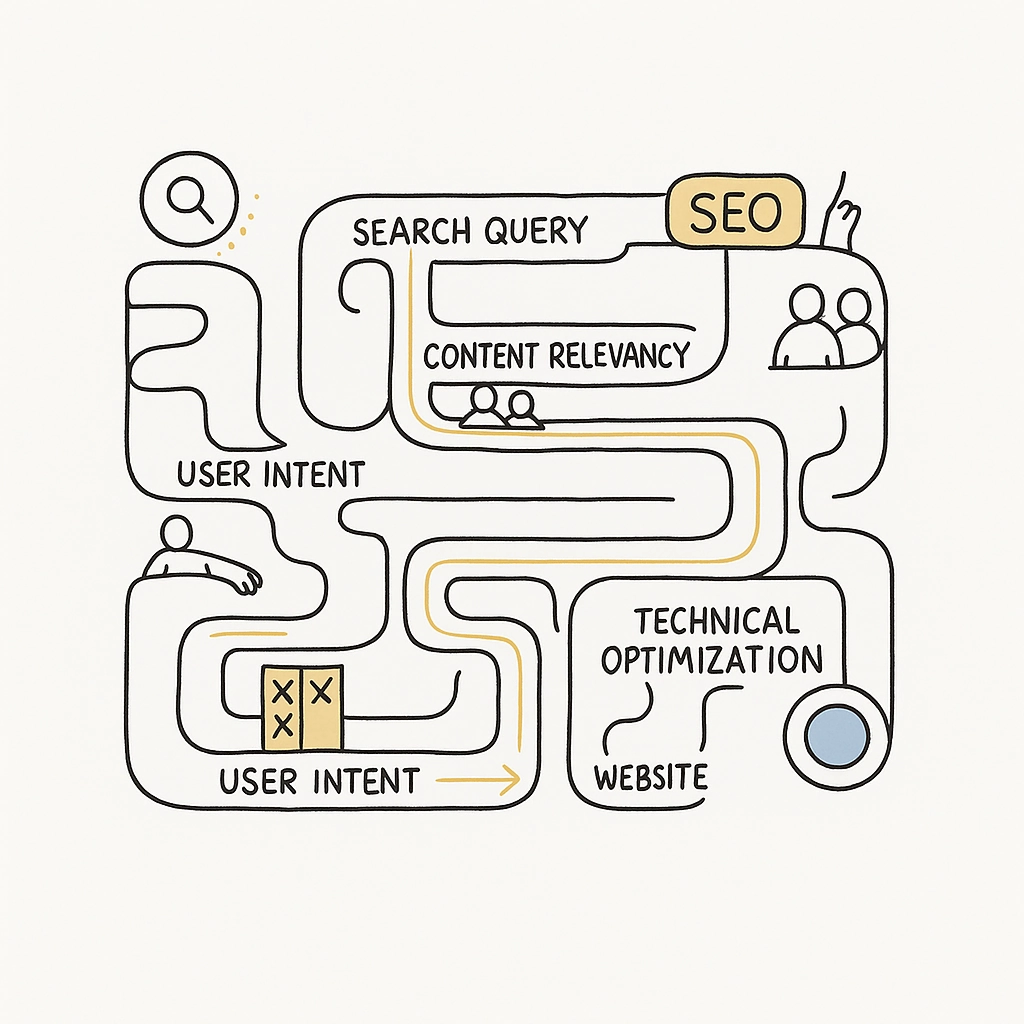
"We spent six months overhauling our content strategy around user intent," says a 141 Creative retail client. "Our organic traffic increased by 127%, and our conversion rate from organic visitors nearly doubled."
For more detailed guidance, check out our best practices for SEO in 2025.
4. Social Proof: Humanity's Oldest Influence Tactic
Before digital marketing existed—before marketing existed at all—humans were looking to other humans to decide what to do, buy, or believe. This psychological principle remains one of the most powerful forces in marketing.
In 2025, effective social proof includes:
- Customer testimonials: Video testimonials now convert 23% better than text alone
- Case studies: Detailed stories of customer success that potential clients can relate to
- Review management: Actively soliciting and responding to reviews across platforms
- User-generated content: Encouraging and showcasing authentic content from satisfied customers
- Micro-influencer partnerships: Collaborating with trusted voices in niche communities
What makes social proof timeless is that it taps into our fundamental nature as social creatures. We inherently trust other people more than we trust brands—a fact that hasn't changed despite all our technological advances.
5. Customer Experience: The Ultimate Competitive Advantage
In a world where products and services are increasingly similar, how you make customers feel has become the key differentiator. Customer experience (CX) has evolved from a nice-to-have to the central focus of successful marketing strategies.
Leading brands in 2025 prioritize:
- Seamless omnichannel experiences: Creating consistent journeys across all touchpoints
- Proactive support: Anticipating and addressing issues before customers even notice them
- Personalized interactions: Using data respectfully to make every interaction relevant
- Emotional connection: Designing experiences that evoke specific positive emotions

A hospitality client recently told us: "We used to think of marketing as what happened before someone became a customer. Now we realize the experience itself is our most powerful marketing tool."
6. Value-Based Storytelling: Connecting Beyond Features
In the product-saturated market of 2025, consumers don't just buy what you do—they buy why you do it. The most successful brands have mastered the art of storytelling that connects their values with their customers' values.
Effective value-based storytelling includes:
- Purpose narrative: Clearly communicating why your brand exists beyond making money
- Authentic positioning: Taking genuine stands on issues that matter to your audience
- Character-driven content: Featuring real people (employees, customers, community members)
- Consistent messaging: Ensuring your story is cohesive across all channels and touchpoints
"After clarifying our brand story and values, we saw a 34% increase in average order value," reports a 141 Creative e-commerce client. "People weren't just buying products—they were buying into our vision."
The Common Thread: Adaptation Without Abandonment
What makes these strategies "classics" isn't that they've remained static—it's that their core principles have endured while their execution has evolved. The most successful marketers in 2025 haven't abandoned these fundamentals; they've adapted them to leverage new technologies and meet changing consumer expectations.
The digital marketing landscape will continue to evolve at breakneck speed, but these six strategies provide a solid foundation that will likely still be relevant in 2030 and beyond. The platforms and tools may change, but human psychology and the basic principles of effective marketing remain remarkably consistent.
At 141 Creative, we help brands balance innovation with proven fundamentals. We're not afraid to experiment with cutting-edge approaches, but we never lose sight of the classics that continue to drive real results.
Ready to build a marketing strategy that combines timeless principles with modern execution? Let's talk about how we can help your brand thrive in today's complex digital landscape.
0 Comments