
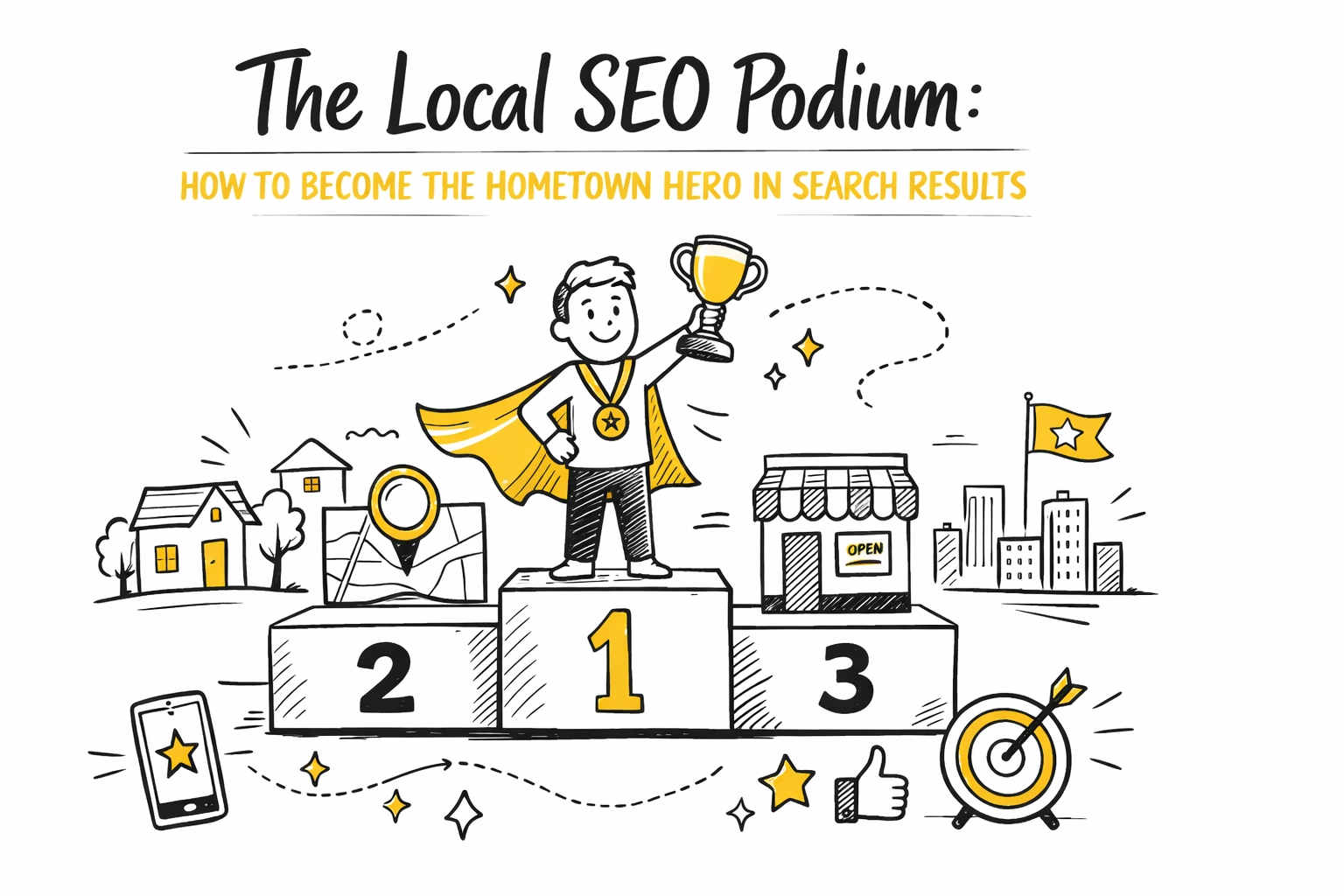
Remember watching your hometown athlete crush it at the Olympics? That pride when they stood on the podium representing your city? That's exactly the feeling your potential customers get when they search for services "near me" and your business pops up first.
Local SEO in 2026 isn't about participating, it's about winning gold in your hometown. And just like Olympic athletes don't win medals by accident, dominating local search results requires training, strategy, and the right moves at the right time.
Let's break down how to become the undisputed hometown hero in search results.
Your Training Regimen: Google Business Profile Optimization
Every Olympic champion starts with fundamentals. In local SEO, that's your Google Business Profile (GBP). Think of it as your athlete profile, if it's incomplete or outdated, you're not even making it to the qualifying rounds.
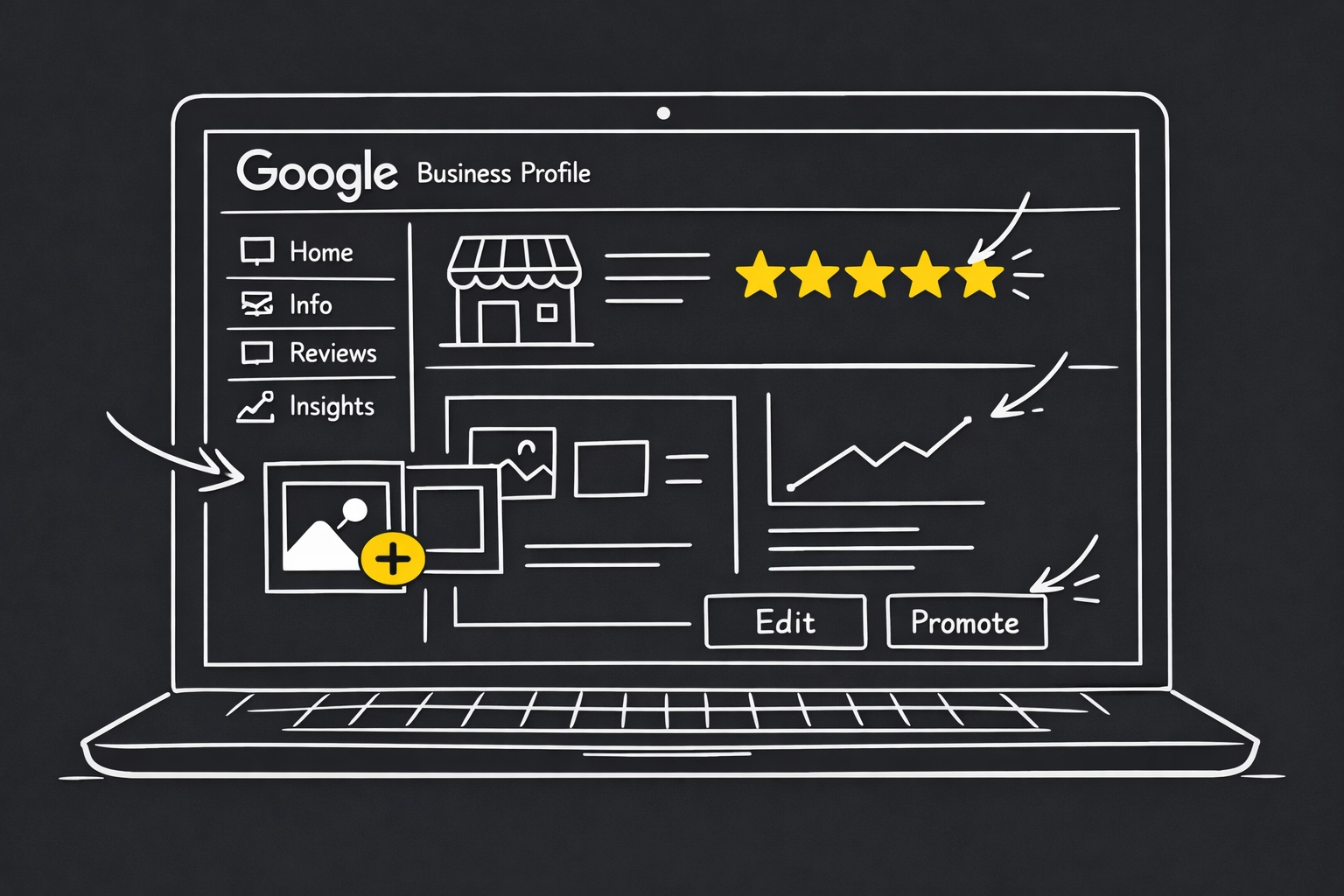
First, claim your profile if you haven't already. Sounds obvious, but you'd be shocked how many businesses are competing with one hand tied behind their back because they never claimed their GBP.
Here's your training checklist:
Choose your category like you're selecting your event. Your primary category is massive, it determines which searches Google thinks you're relevant for. A plumber who picks "Home Improvement" instead of "Plumber" is basically showing up to a hockey game in figure skates. Pick secondary categories only if they're genuinely relevant.
Post regularly. Businesses that consistently update their GBP see a 40% visibility boost. Post weekly updates, share offers, announce events. Treat it like your Instagram story, but for people who actually want to give you money.
Upload high-quality photos. Not your cousin's blurry iPhone pics from 2019. Show your real space, your actual team, your products in action. Olympic athletes don't use grainy headshots, neither should you.
Keep your hours accurate. Nothing torpedoes trust faster than someone driving to your "open" business to find locked doors. Update hours for holidays, special events, and any changes immediately.
The Qualifying Rounds: Local Keyword Strategy
Olympic athletes don't just train, they study their competition, analyze the course, and plan their strategy. Your keyword research is that game plan.
Target keywords at multiple geographic levels. Don't just go for "[your service] + [your city]." Think neighborhoods, landmarks, cross-streets, and those golden "near me" searches.
Here's what smart businesses are targeting in 2026:
- "Emergency plumber downtown [City]"
- "Best brunch near [Landmark]"
- "HVAC repair [Neighborhood] area"
- "[Service] close to me"
Use Google Keyword Planner or AnswerThePublic to discover what your locals are actually searching. Sometimes the phrases that seem awkward to you are exactly what customers type into Google at 2 AM when their pipe bursts.
Pro tip: Voice search is huge now. People ask Google questions like they're talking to a friend: "Where's the best pizza place open right now?" Optimize for conversational, long-tail keywords and create FAQ pages that answer these natural questions.
Event One: Location-Specific Content
This is where most businesses face-plant on the ice. They create one generic page and swap city names like they're playing Mad Libs.
Google's too smart for that nonsense in 2026.
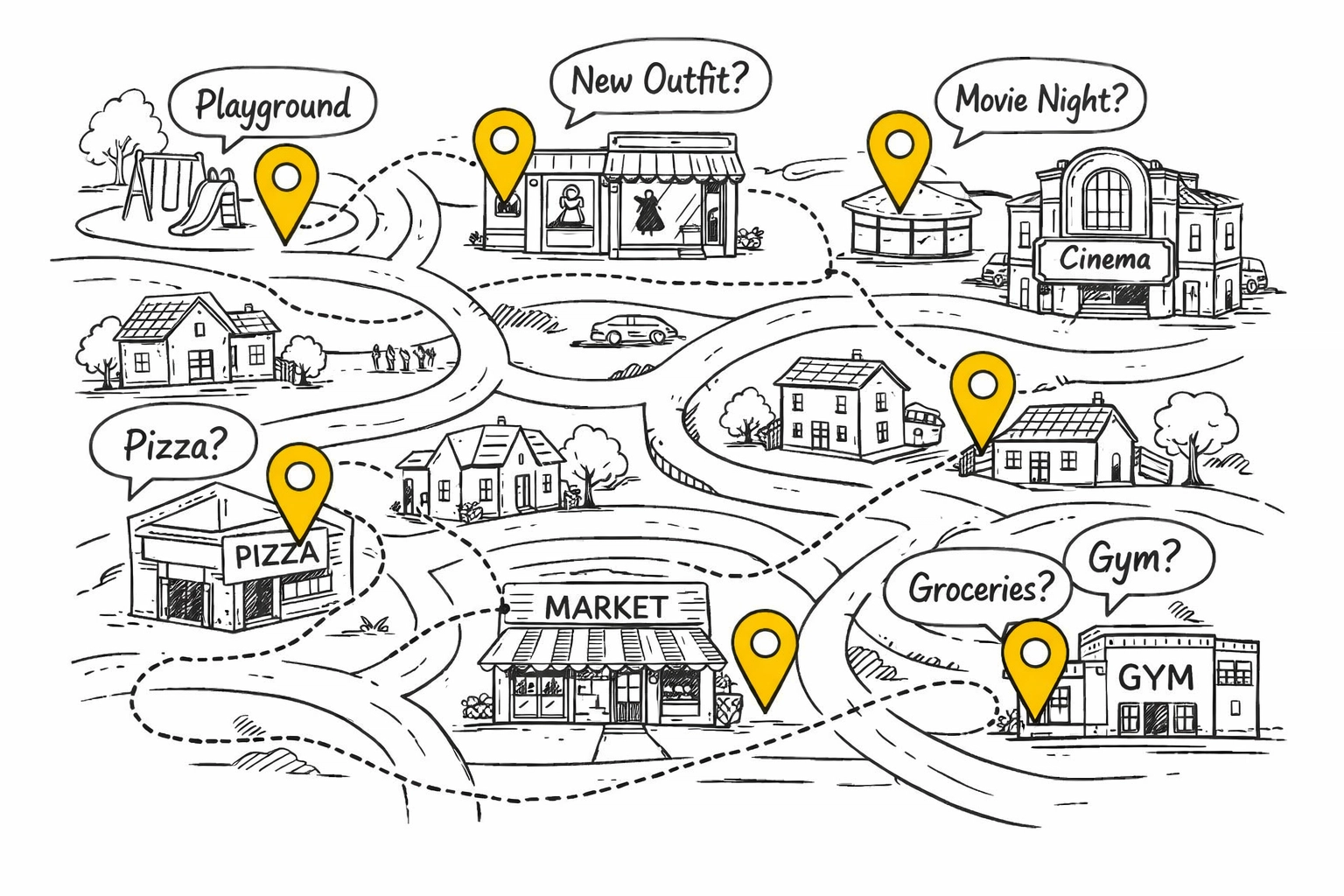
Create dedicated, unique landing pages for each location you serve. Each one needs substantial, original content:
- Local landmarks and neighborhood names
- Area-specific problems you solve
- Case studies from that location
- Testimonials from customers in that area
- Embedded Google Maps
If you serve five cities, you need five genuinely different pages. Not five pages with "Welcome to [City Name]" and nothing else changed.
Beyond location pages, create locally-focused blog content. Write about local events, community involvement, area-specific tips. "5 Ways [Your City] Winters Destroy Your Plumbing" beats "General Plumbing Tips" every single time for local search.
Event Two: The Review Relay
In the Olympics, judges' scores matter. In local SEO, customer reviews are your judges, and they're watching everything.
Reviews aren't just social proof, they're a direct ranking factor. Businesses with more (and better) reviews consistently outrank competitors with fewer reviews.
Your review strategy needs to be systematic:
Make asking easy. Send follow-up emails with direct review links. Train your team to ask satisfied customers. Don't be pushy, but don't be shy either.
Respond to everything. Five-star review? Thank them. One-star rant? Respond professionally and offer to make it right. Ignoring reviews is like an athlete ignoring their coach's feedback.
Diversify platforms. Don't just focus on Google. Get reviews on Facebook, Yelp, industry-specific sites. Think of it like competing in multiple events, more chances to medal.
A 2026 reality check: One or two bad reviews won't kill you. Zero reviews will. Businesses with no reviews look either brand new or terrible. Neither is good for local rankings.
Event Three: Citation & Link Building
Citations are your official records, everywhere your business name, address, and phone number (NAP) appear online. Links are your endorsements from other local players.

Keep your NAP consistent everywhere. And I mean everywhere. If you're "Smith's Plumbing LLC" on Google but "Smith Plumbing" on Yelp, you're confusing search engines. Consistency is key.
Start with the major platforms:
- Google Maps (obviously)
- Apple Maps
- Yelp
- Bing Places
Then hit industry-specific directories. Plumbers have different directories than restaurants, which are different from gyms. Find your sport-specific platforms.
For backlinks, think quality over quantity. One link from your local newspaper is worth fifty from random directories nobody's heard of.
Target these local link opportunities:
- Local news coverage
- Chamber of Commerce
- Local blogs and community sites
- Business partnerships
- Sponsorships of community events
Getting a link from the local news for sponsoring a Little League team? That's your gold medal moment.
The Technical Events: Schema & Mobile Optimization
Okay, this is the part that sounds scary but really isn't. It's like the technical elements in figure skating: looks complicated, but it's mostly about following the rules.
Use schema markup (LocalBusiness structured data) on your website. This is code that tells Google exactly what your business is, where it's located, and what it does. Most website builders have plugins that make this stupid-easy.
Include your NAP in your site footer, use local keywords in title tags and meta descriptions, and embed a Google Map on your contact page.
Mobile optimization isn't optional. Over 60% of local searches happen on mobile. If your site looks terrible on phones, you're basically competing in ski boots on a basketball court.
Your mobile checklist:
- Load time under three seconds
- Click-to-call buttons
- Simple navigation
- Responsive design that actually works
Test your site with Google's Mobile-Friendly Test and PageSpeed Insights. If you fail, fix it before worrying about anything else.
Advanced Moves: Hyper-Local Targeting
Want to go for gold? Get hyper-local. Instead of targeting "Chicago," target specific neighborhoods, zip codes, even street names.
"Plumber in Lincoln Park Chicago" is way less competitive than "Plumber in Chicago," and it's targeting people closer to you who are more likely to call.
Google's AI in 2026 personalizes results based on search history, exact location, device type, and user preferences. The more locally relevant you are, the better you'll perform in these personalized results.

The Victory Lap: Maintaining Your Championship Status
You can't win gold and then stop training. Local SEO requires consistent effort.
Monthly maintenance:
- Update your GBP with fresh posts and photos
- Request reviews from recent customers
- Check and fix any NAP inconsistencies
- Create new local content
- Monitor your rankings and adjust
Track your results like an athlete tracks their times. Use Google Search Console to see which local keywords are bringing traffic. Use GBP Insights to understand how customers find you.
If you serve multiple locations, treat each one like a separate athlete. Each needs its own GBP, unique content, separate tracking, and individual attention.
Standing on the Podium
Becoming the hometown hero in local search isn't about tricks or shortcuts. It's about showing up consistently, doing the fundamentals right, and genuinely serving your local community better than anyone else.
Optimize your Google Business Profile like your business depends on it (because it does). Target the keywords your neighbors are actually searching. Create genuinely useful local content. Earn and manage reviews. Build legitimate local links. Make your site work flawlessly on mobile.
Do these things consistently, and you won't just compete in local search: you'll dominate it.
Your hometown is searching for businesses like yours right now. Time to get on that podium and make them proud.
Want help training for your local SEO championship? Check out what we do at 141 Creative: we're pretty good at turning local businesses into hometown heroes.
0 Comments