
Winter has arrived. The air is crisp, the hot cocoa is flowing, and somewhere out there, a marketer is still clinging to third-party cookies like they're the last warm blanket in a blizzard.
Here's the cold hard truth: that blanket has holes in it, and the chill is only getting worse.
If you haven't made first-party data your new best friend yet, consider this your official intervention. Grab a cup of something warm, settle in, and let's talk about why your own customer data is the coziest, most reliable asset you'll ever own, and why 2026 is the year to stop leaving it out in the cold.
What Exactly Is First-Party Data (And Why Should You Care)?
Let's start with the basics, because not everyone speaks fluent data nerd.
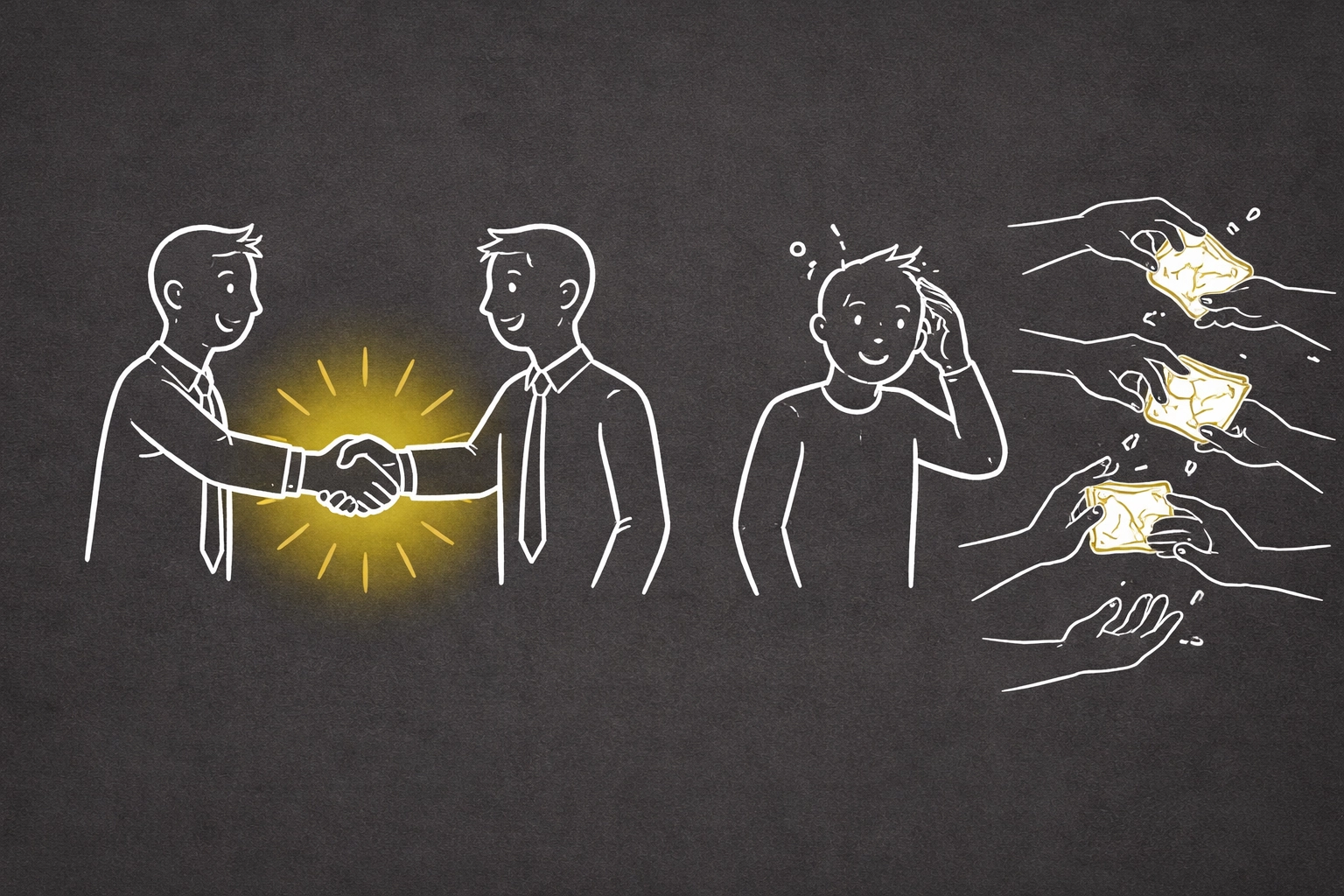
First-party data is information you collect directly from your customers and website visitors. Think email addresses, purchase history, preferences they've shared, survey responses, and behavioral data from your own platforms. It's the digital equivalent of a customer walking into your store, shaking your hand, and telling you exactly what they want.
Third-party data, on the other hand, is like getting relationship advice from a stranger who overheard a conversation at a coffee shop three towns over. It's collected by external sources, aggregated from various websites, and sold to anyone willing to pay. It's less accurate, less reliable, and, spoiler alert, it's going the way of the dodo.
The difference matters more than ever. As privacy regulations tighten and browsers phase out third-party cookies, that borrowed data you've been relying on? It's melting faster than a snowman in April.
The Great Cookie Crumble: Why Third-Party Data Is Freezing Over
Remember when third-party cookies were the golden ticket to digital marketing? Those days are officially over.
Major browsers have been systematically eliminating third-party cookie support, and privacy-conscious consumers are increasingly opting out of tracking. The result? Marketers who built their entire strategy on third-party data are finding themselves stranded in a blizzard without a map.
But here's where it gets interesting: companies that pivoted to first-party data strategies aren't just surviving, they're thriving. Research shows that businesses using structured first-party data see 2.5x higher engagement rates and 20% lower acquisition costs compared to those still clutching their third-party lifelines.
That's not a marginal improvement. That's the difference between building a snow fort and building an igloo that actually keeps you warm.
The Four Superpowers of First-Party Data
So what makes first-party data so special? It comes down to four structural advantages that third-party data simply can't match:
1. It's More Accurate
First-party data comes straight from the source, your actual customers. There's no guessing, no inference, no "well, they visited a cat video once so they probably want cat food" logic. When someone tells you directly what they're interested in, you can trust that information.
2. It's More Complete
You control what you collect. Want to know your customers' preferred communication channels? Ask them. Curious about their buying motivations? Survey them. With first-party data, you're not limited to whatever scraps a data broker decides to sell you.

3. It's Compliant by Design
Here's a winter warming thought: you collected this data with proper consent. No shady tracking, no privacy violations waiting to bite you, no GDPR nightmares keeping you up at night. First-party data is inherently cleaner from a compliance perspective because you built the relationship yourself.
4. It's Exclusively Yours
This is the big one. Your competitors can't buy your first-party data from a broker. They can't access your customer relationships. They can't replicate the insights you've gathered from your unique audience. It's your competitive moat, and it gets deeper every day you invest in it.
The Flywheel Effect: How First-Party Data Compounds Over Time
Here's where things get really exciting (yes, data can be exciting: stay with me).
First-party data creates what researchers call a "flywheel effect." The more customer data you collect, the better you can personalize experiences. Better personalization attracts more customers. More customers generate more data. And round and round it goes, building momentum with every spin.
Companies that start building first-party data infrastructure now will have a 5-10 year head start on competitors who wait. By 2027, industry analysts predict that businesses with mature first-party strategies will see 30-40% lower customer acquisition costs than those still relying primarily on third-party data.
That's not just an advantage: that's a different league entirely.

Solving the 2026 Targeting Paradox
Modern consumers present marketers with a seemingly impossible puzzle: they want personalized, relevant experiences, but they also want their privacy respected. It's like wanting to stay warm without wearing a coat.
First-party data solves this paradox beautifully.
When you know a customer's preferences because they told you directly, you can show them products they actually want without invasive cross-site tracking. Research indicates that first-party-driven audiences are three times more accurate at predicting consumer preferences than third-party alternatives.
Plus, you can use negative targeting: excluding existing customers from acquisition campaigns or suppressing recent purchasers from promotions. No more annoying your best customers with ads for products they already bought. It's personalization without the creep factor.
How to Warm Up Your First-Party Data Strategy
Ready to make first-party data your winter companion? Here's how to get started:
Build Your Collection Points
Every interaction with your brand is an opportunity to gather first-party data. Your website, email sign-ups, purchase flows, loyalty programs, surveys, and customer service interactions are all goldmines waiting to be tapped. Make sure you're capturing data at every touchpoint: with proper consent, of course.
Unify Your Data Sources
Data scattered across seventeen different platforms isn't helping anyone. Invest in a customer data platform (CDP) or similar infrastructure that brings all your first-party data together in one cozy, accessible place. A unified view of your customer is worth its weight in gold.
Create Value Exchanges
People will share their data if they get something valuable in return. Exclusive content, personalized recommendations, early access to sales, loyalty rewards: these are all fair trades for customer information. Make the exchange feel worthwhile, not extractive.
Respect the Relationship
This is crucial: first-party data represents a relationship, not a transaction. Treat your customers' information with care, be transparent about how you use it, and never abuse the trust they've placed in you. A warm relationship will generate better data (and better business) than a cold, transactional one ever could.

The Long Game: Why Starting Now Matters
Here's the thing about first-party data strategy: it's not a quick fix. It's a long-term investment that pays compounding dividends over time.
The companies that started building their first-party capabilities years ago are now reaping massive rewards. The companies starting today will be ahead of those who wait another year. And the companies still hoping third-party cookies will somehow make a comeback? They're in for a very cold awakening.
First-party-driven marketing can be 2-3x cheaper to execute than third-party campaigns. That cost advantage alone should have you reaching for your data collection toolkit.
Bundle Up and Get Started
Winter doesn't last forever, but the shift toward first-party data is permanent. The marketers who thrive in 2026 and beyond will be those who built genuine relationships with their customers and collected the data to prove it.
So here's your call to action: stop waiting for the weather to change. Start building your first-party data strategy now. Your future self: and your marketing budget: will thank you.
Need help developing a first-party data strategy that actually works? 141 Creative specializes in building digital marketing strategies that keep you warm no matter how cold the cookie-less future gets. Let's chat.
0 Comments