
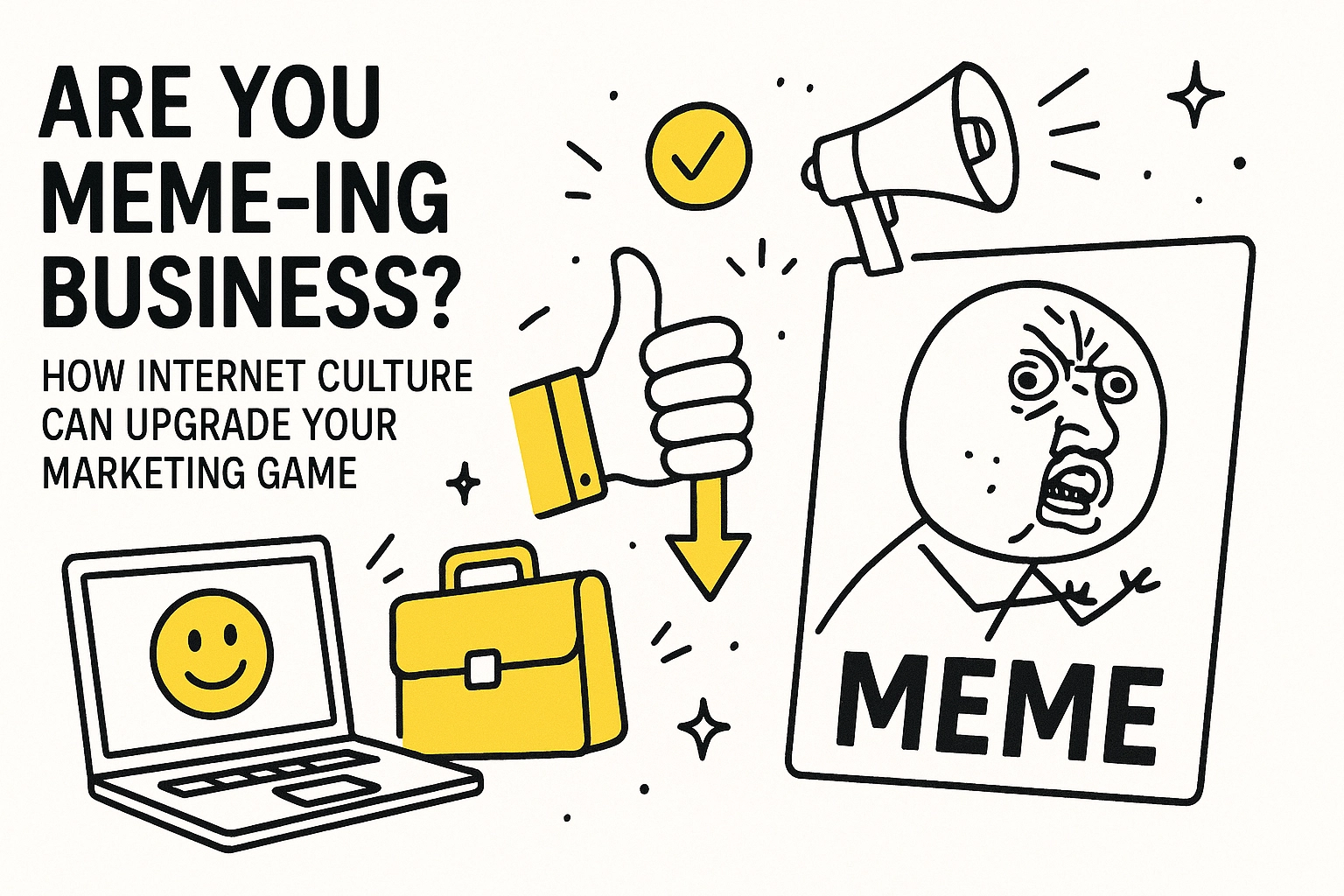
Picture this: you're scrolling through your feed when suddenly a brand drops a meme so perfectly timed, so ridiculously on-point, that you actually snort-laugh and hit share before you can stop yourself. That, my friends, is the magic of internet culture done right in marketing.
Gone are the days when "professional" meant stuffy, corporate, and about as exciting as watching paint dry. Today's most successful brands are speaking fluent internet, and if you're not, you're missing out on some seriously powerful marketing mojo.
Why Memes and Internet Culture Actually Matter (It's Not Just for Gen Z)
Let's get one thing straight: using internet culture in marketing isn't about being the "cool brand" trying too hard to fit in at the kids' table. It's about tapping into a universal language that cuts through the noise faster than you can say "viral."
Think about it, memes are essentially inside jokes that millions of people are in on. When your brand references a popular meme or internet trend, you're not just sharing content; you're saying "hey, we get it, we're part of this cultural moment too." And that kind of relatability? It's marketing gold.

The numbers don't lie either. Brands that authentically tap into cultural moments see significantly higher engagement rates than those sticking to traditional corporate messaging. Why? Because internet culture thrives on authenticity, humor, and shared experiences, exactly what modern consumers crave from the brands they support.
Platform-Specific Meme Strategies (Because One Size Doesn't Fit All)
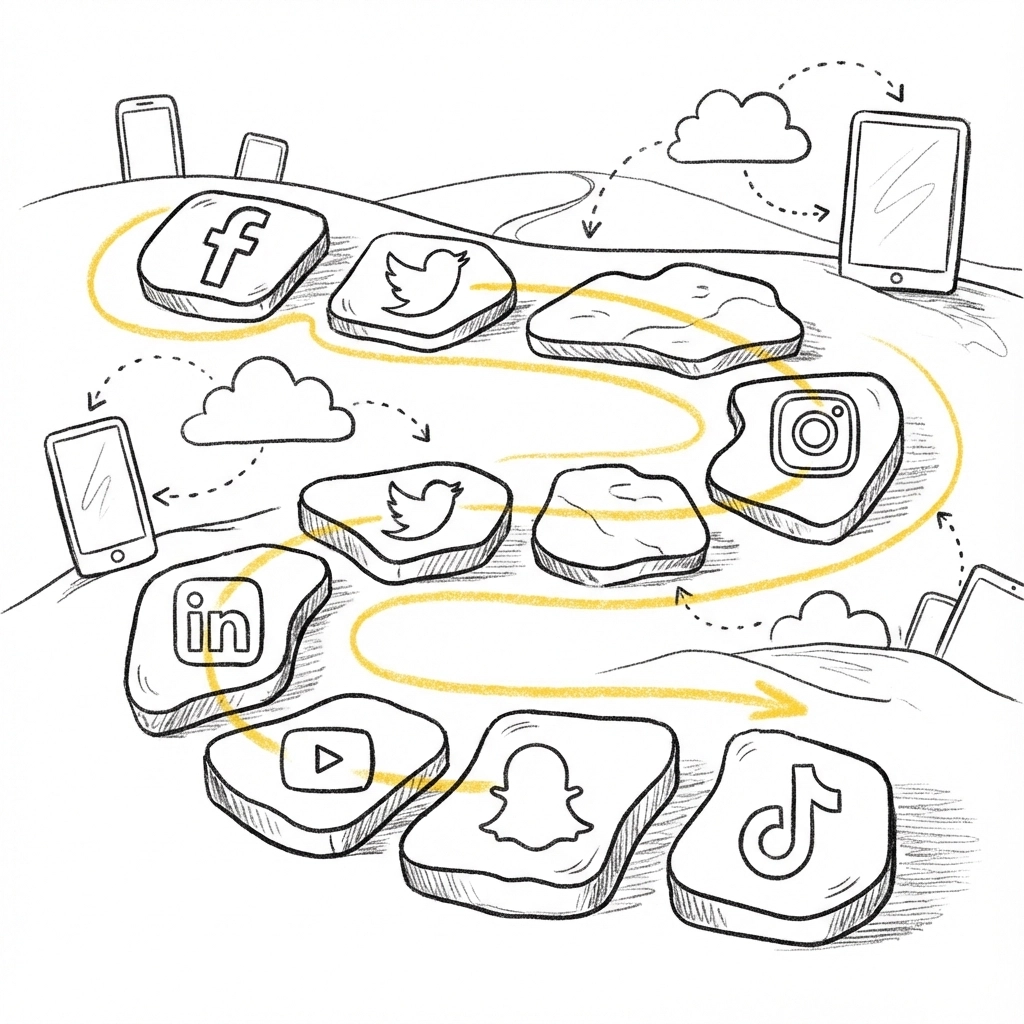
Here's where things get interesting: not all platforms speak the same dialect of internet. What kills it on TikTok might flop harder than a fish on LinkedIn, and what works on Twitter could seem completely out of place on Instagram.
TikTok and the Art of Organized Chaos
TikTok is where playful humor reigns supreme. The platform practically begs for quick, attention-grabbing content that feels spontaneous and authentic. Think behind-the-scenes content with trending audio, team members participating in challenges, or putting your own spin on popular formats. The key is embracing the organized chaos that makes TikTok, well, TikTok.
Instagram: The Visual Storyteller
Instagram Stories and Reels are perfect for meme-inspired content, but with a slightly more polished approach. Think branded meme templates, carousel posts that tell a story through popular formats, or user-generated content that plays into current trends.
LinkedIn: Yes, Really
Even LinkedIn isn't immune to internet culture, it just requires a more subtle touch. Think industry-specific memes, playful takes on professional situations, or content that references popular trends while maintaining that professional edge.
The Fine Line Between Trend-Hopping and Cultural Understanding
Here's where many brands face-plant: there's a massive difference between authentically participating in internet culture and desperately chasing every trend that pops up on your radar.
The Authenticity Factor
The most successful brands in 2025 aren't just jumping on trends, they're using social listening and genuine cultural understanding to create content that resonates on a deeper level. Instead of asking "what's trending?" they're asking "what's the mood?" and "how can we contribute to this cultural moment in a way that feels genuine?"
Quality Over Quantity
Rather than posting every trending meme under the sun, focus on the ones that actually align with your brand voice and values. Your audience can smell forced relevance from a mile away, and nothing kills a meme faster than a brand that's trying too hard.
Turning Followers into Co-Creators (The Ultimate Engagement Hack)
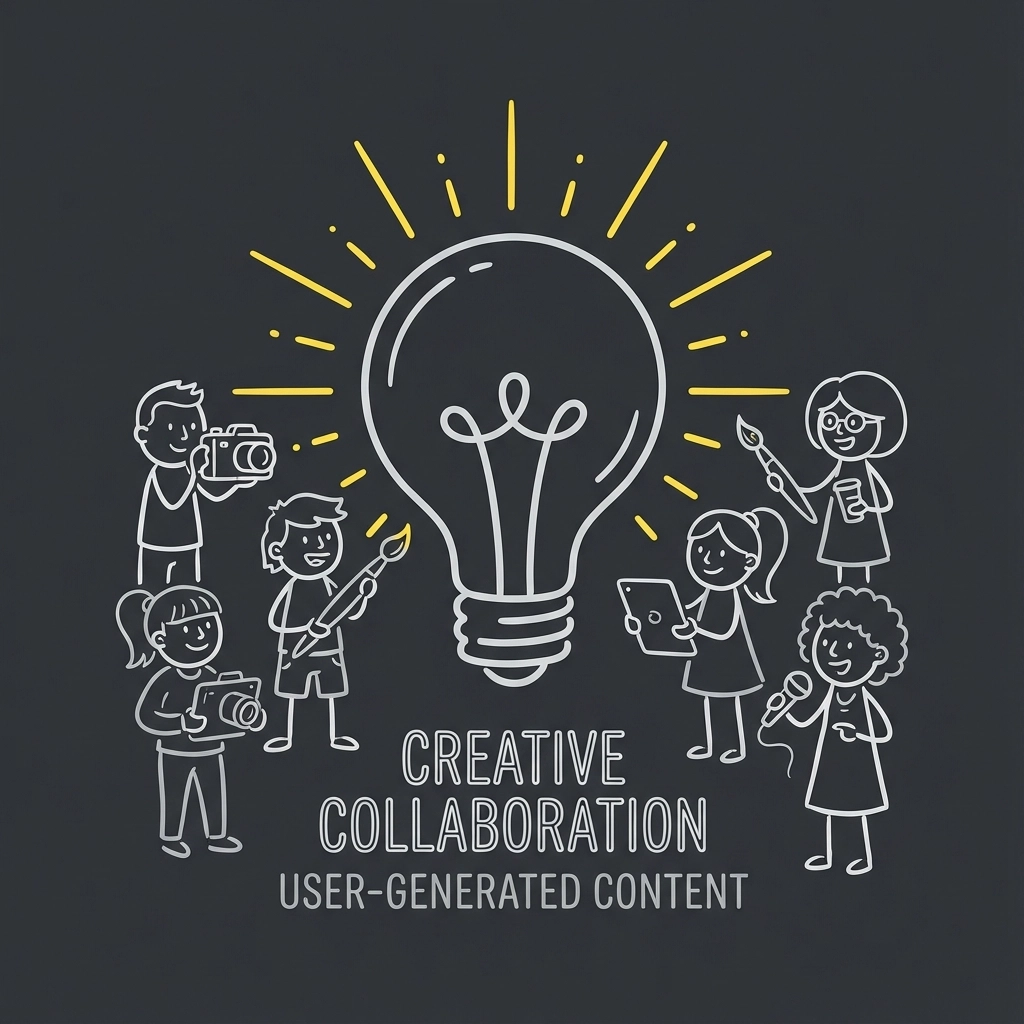
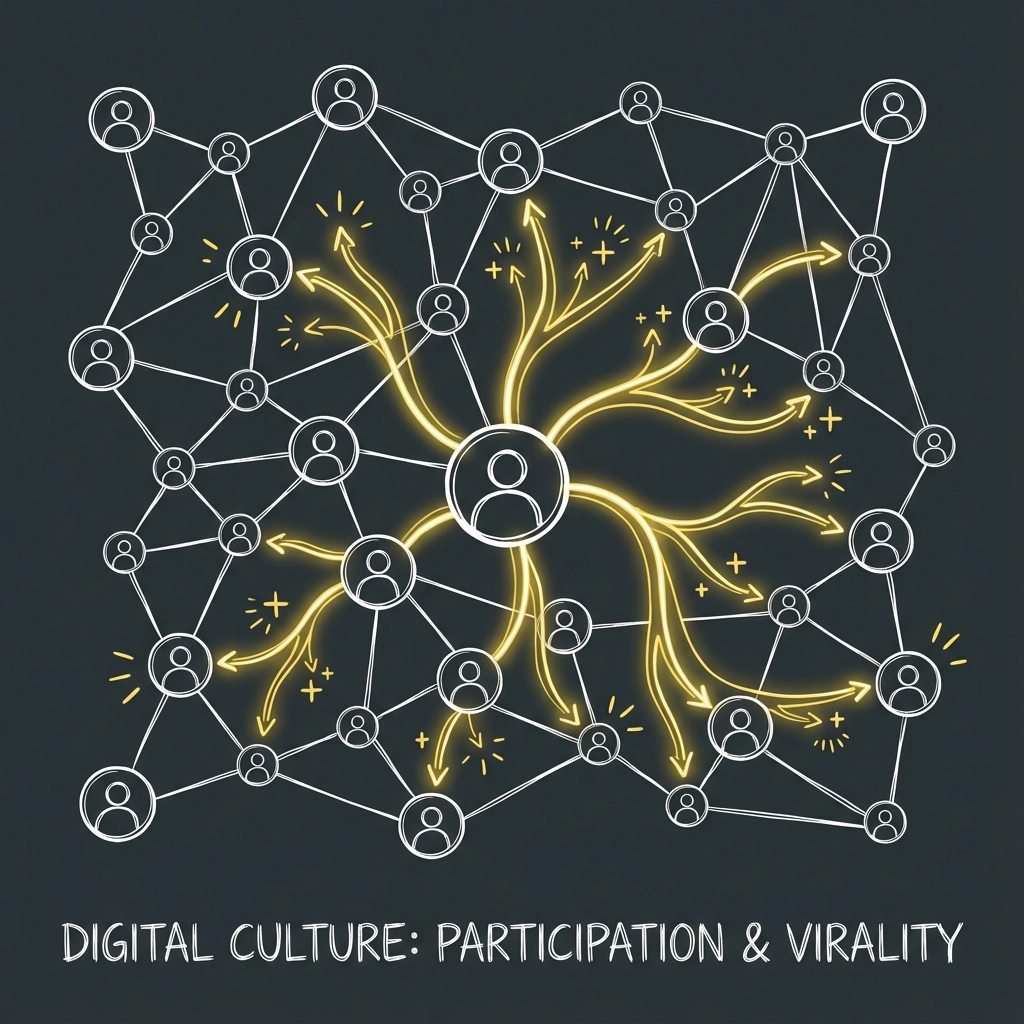
One of the most powerful aspects of internet culture is its participatory nature. Memes aren't just consumed, they're remixed, shared, and built upon by communities. Smart brands are tapping into this by turning their audiences into content co-creators.
User-Generated Content That Actually Works
Create hashtag challenges that encourage your audience to put their own spin on your brand story. Launch meme contests where followers create content using your products or services. Ask your community to caption your photos or create their own versions of popular meme formats featuring your brand.
This approach works because people trust content created by their peers more than traditional brand messaging. Plus, it's basically free amplification powered by genuine enthusiasm, the holy grail of marketing.
Creative Disruption: When Breaking Brand Guidelines Actually Works
Plot twist: some of the most effective meme marketing happens when brands temporarily ditch their strict brand guidelines and let their creative teams run wild. This doesn't mean throwing your entire brand identity out the window, but it does mean being willing to experiment with less polished, more spontaneous content.
The Power of Imperfection
Internet culture thrives on authenticity over perfection. That slightly shaky phone video of your team reacting to a trending topic? It might perform better than your most carefully crafted promotional content. The key is finding the balance between maintaining your brand essence while embracing the delightfully chaotic energy of internet culture.
Getting Started: Your Meme Marketing Action Plan
Ready to dive in but not sure where to start? Here's your roadmap to meme-ing your way to marketing success:
Step 1: Know Your Audience's Internet Habitat
Where does your target audience hang out online? What platforms do they use, and what kind of content do they engage with? Understanding their digital behavior is crucial for creating content that actually resonates.
Step 2: Set Up Social Listening
Use tools to monitor trending topics, hashtags, and conversations in your industry. This isn't about jumping on every trend, but about understanding the cultural context your audience is operating in.
Step 3: Start Small and Test
Don't go from zero to viral overnight. Start with subtle nods to internet culture, maybe a cleverly captioned photo or a relatable meme that ties into your industry. See how your audience responds and build from there.
Step 4: Create Guidelines (Yes, Even for Memes)
Establish boundaries for what kind of content aligns with your brand values. What topics are off-limits? What tone should you maintain? Having these guidelines helps your team create content that's both culturally relevant and on-brand.
The Bottom Line: Internet Culture Isn't Going Anywhere
Whether you love them or hate them, memes and internet culture have fundamentally changed how we communicate online. Brands that learn to speak this language authentically will find themselves connecting with audiences in ways that traditional marketing simply can't match.
The secret sauce? It's not about being the funniest brand on the internet (leave that to Wendy's Twitter account). It's about understanding your audience's cultural context and finding genuine ways to participate in those conversations.
At 141 Creative, we help brands navigate the wild world of digital marketing with strategy, creativity, and yes: a healthy appreciation for internet culture. Because sometimes the best way to grow your business is to embrace the beautiful chaos of the online world.
Ready to upgrade your marketing game with some serious internet culture savvy? Let's chat about how we can help your brand find its voice in the digital conversation. Trust us, your audience is waiting to see what you'll meme next.
0 Comments