
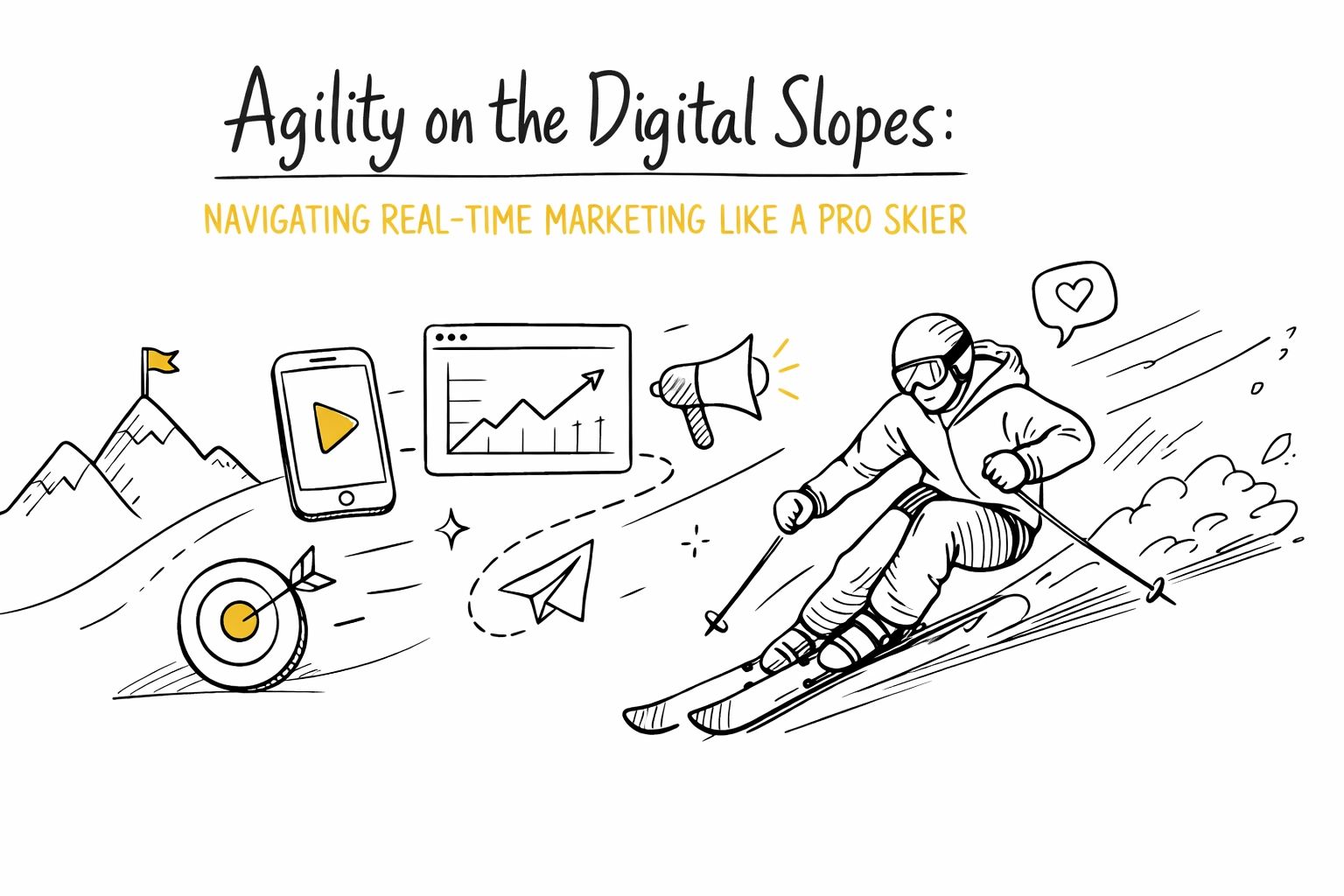
Watch any Olympic slalom skier carve through gates at breakneck speed, and you'll witness something remarkably similar to what happens in the best marketing teams: split-second decisions, constant course corrections, and the ability to maintain momentum while adapting to changing conditions. The difference? One happens on snow, the other on your smartphone: but both require the same razor-sharp agility.
If your marketing strategy still operates on quarterly planning cycles and monthly report reviews, you're basically trying to ski in slow motion. Spoiler alert: that's how you face-plant into a snowbank while your competitors zoom past.
Reading the Terrain: Why Real-Time Data Is Your Best Trail Map
Before an Olympic skier launches down the mountain, they study every inch of the course. They know where the ice patches lurk, where the gates tighten, and where they can really open up the throttles. Your equivalent? Real-time analytics dashboards that tell you exactly what's happening with your campaigns right now: not last month, not yesterday, but now.
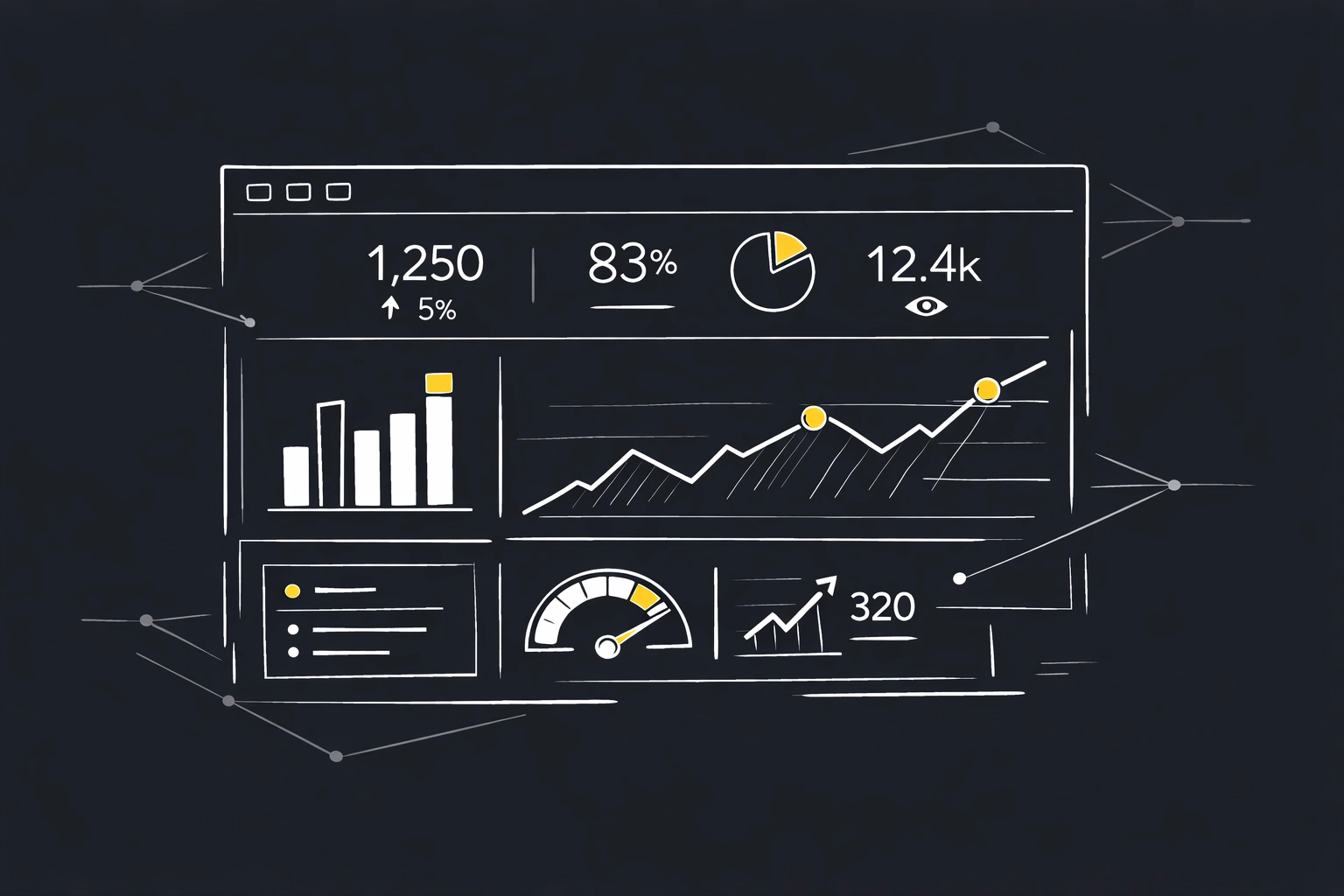
Here's the cold, hard truth: waiting for monthly reports in 2026 is like checking your weather app from last Tuesday before heading out today. Real-time data lets you see engagement spikes, conversion drops, and customer behavior shifts as they happen. When a piece of content suddenly gains traction at 2 PM on a Wednesday, you need to know about it at 2:15 PM, not at next month's marketing meeting.
Set up dashboards that monitor your key metrics continuously. Track social media engagement, website traffic patterns, email open rates, and conversion activities in real-time. Think of these as your slope conditions report: essential intel that helps you decide whether to push harder or pull back before you lose control.
Making the Quick Turn: Pivot Without Wiping Out
Olympic skiers make dozens of micro-adjustments every second, shifting their weight, changing their edge angle, adapting their line. They don't stop to consult a manual or hold a committee meeting: they react instantly based on what the mountain gives them.
Your marketing campaigns need the same flexibility. When something's not working, you can't wait until the campaign ends to fix it. If your Facebook ads are underperforming but your Instagram Reels are crushing it, you need the agility to shift budget allocation today, not next quarter.
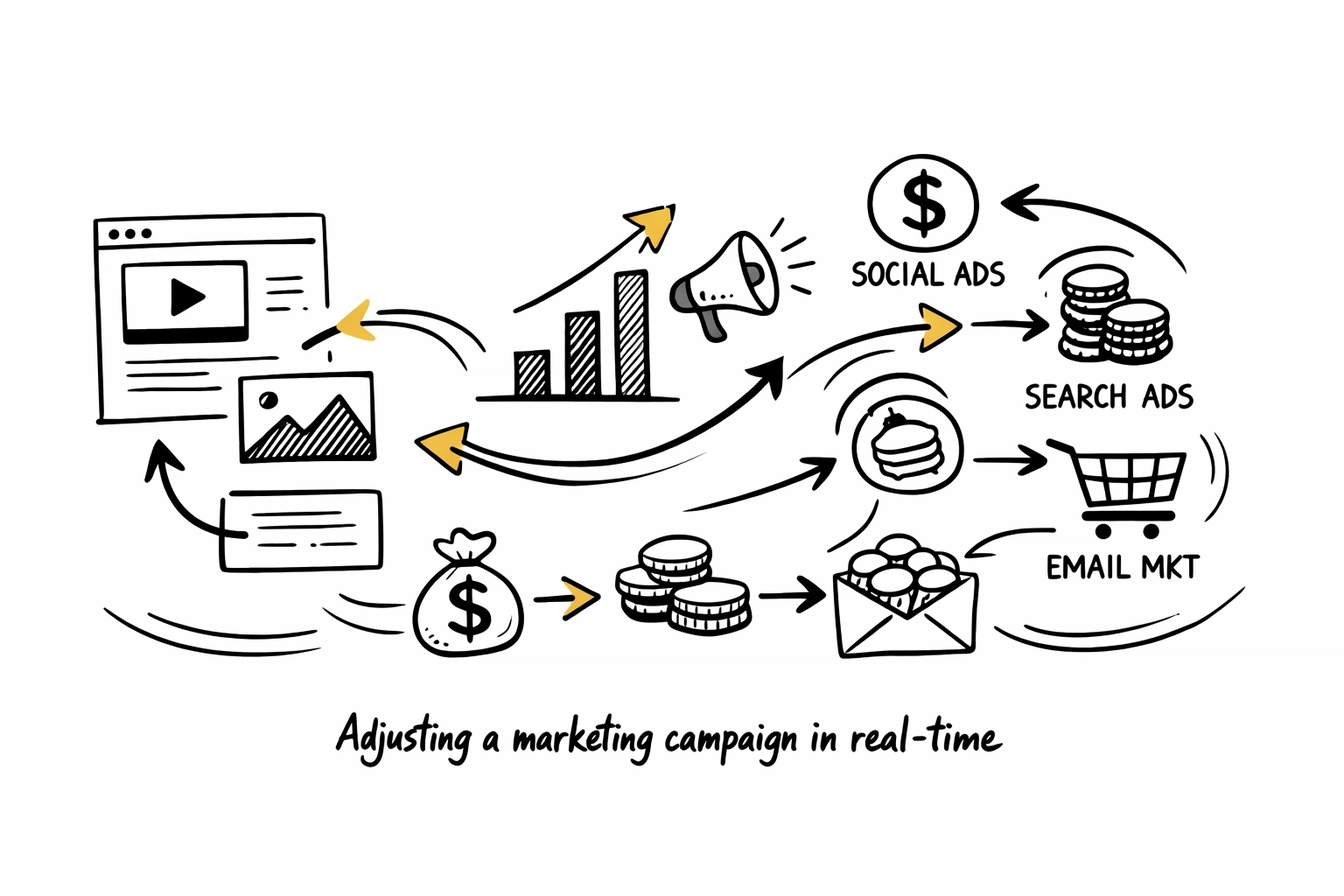
But here's where many marketers wipe out: they confuse speed with recklessness. A pro skier makes quick turns while maintaining control: they're not just randomly flailing down the mountain. Your rapid adjustments should be:
Data-informed: Base decisions on actual performance metrics, not gut feelings or panic.
Pre-authorized: Establish clear guidelines for what team members can adjust without lengthy approval chains. If someone needs to wait three days for sign-off to boost a high-performing post, you've already missed the window.
Documented: Quick doesn't mean sloppy. Log your changes so you understand what worked and what didn't for future campaigns.
Think sprint-based planning rather than marathon-based. Set short-term goals (weekly, not quarterly), test approaches rapidly, measure results quickly, and refine based on what's actually working in the real world.
Predictive Positioning: Anticipating the Course Ahead
Elite skiers don't just react to what's directly in front of them: they're already planning three gates ahead. They anticipate where they need to be and what line they'll take before they even get there. This is where predictive analytics transforms your real-time marketing from reactive to proactive.
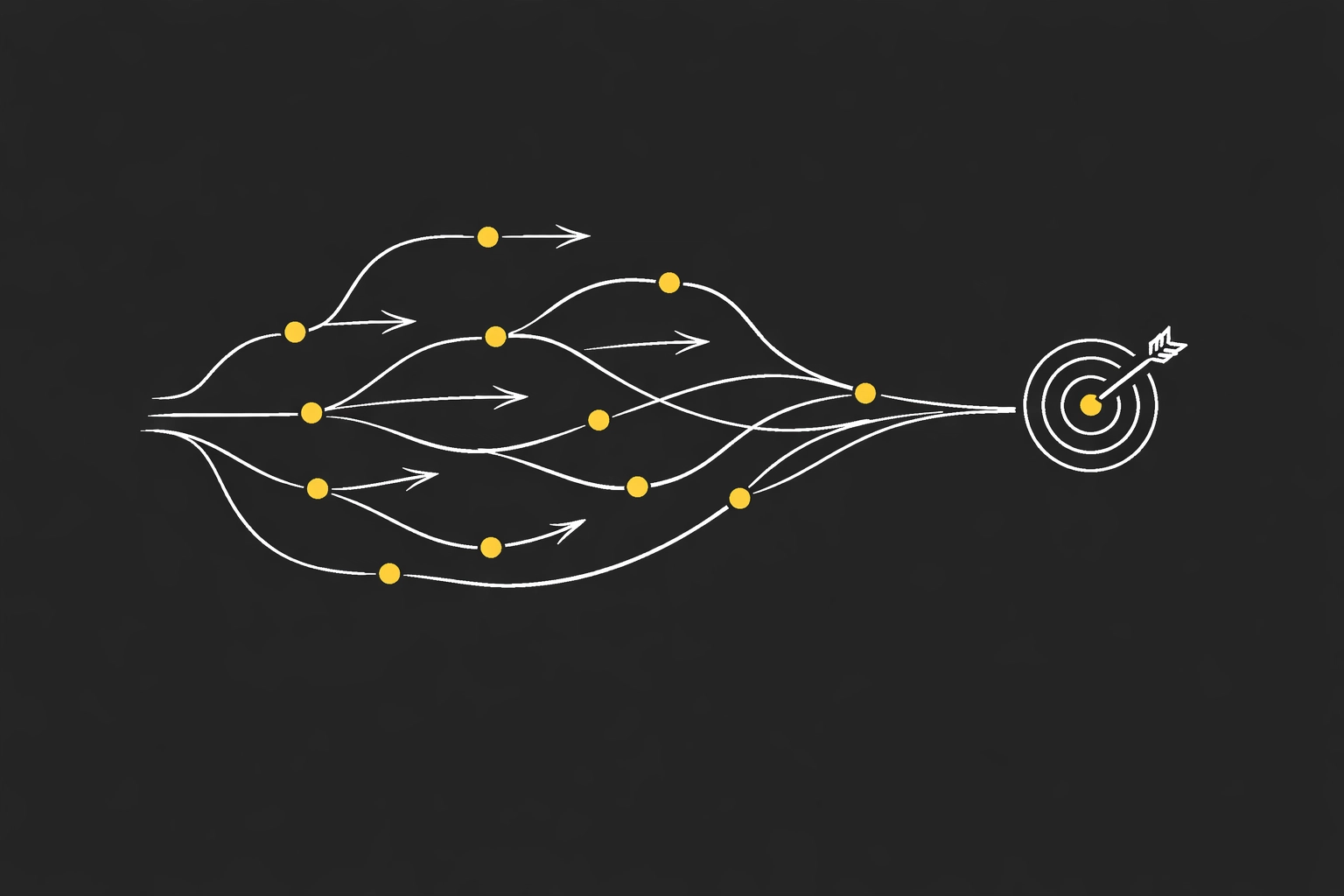
Use machine learning algorithms and predictive customer modeling to forecast behaviors based on past interactions. If your data shows that customers who browse your pricing page three times within a week but don't purchase typically respond well to limited-time offers, set up trigger-based systems to automatically deliver that nudge at the right moment.
This isn't creepy: it's helpful. It's the difference between randomly shouting promotions at everyone and having a meaningful conversation at exactly the moment someone's ready to listen. When a customer abandons their cart, your system should already be queuing up a personalized email before they've even closed the browser tab.
Real-time customer activity tracking lets you establish automated triggers that respond to specific behaviors. Someone just downloaded your whitepaper at 11 AM? Great: they should get a follow-up resource by 2 PM while the topic's still fresh in their mind. Strike while the iron's hot, or in skiing terms, carve while the snow's fresh.
Training Runs: Building Agility Before Race Day
No Olympic athlete shows up on competition day without countless practice runs. Similarly, your team needs structured preparation to execute real-time marketing effectively. You can't just say "be agile!" and expect magic to happen.
Build agile workflows that empower your team to move fast without sacrificing quality. This means:
Pre-approved content templates that maintain brand consistency while allowing rapid customization for trending topics or breaking news in your industry.
Clear decision-making authority so team members know exactly what they can approve themselves versus what needs escalation.
Regular retrospectives: weekly sprint reviews where you identify what worked, what flopped, and what you'll adjust for next week. These aren't blame sessions; they're learning labs.
Cross-functional collaboration between creative, analytics, and strategy teams so information flows quickly and decisions get made faster.
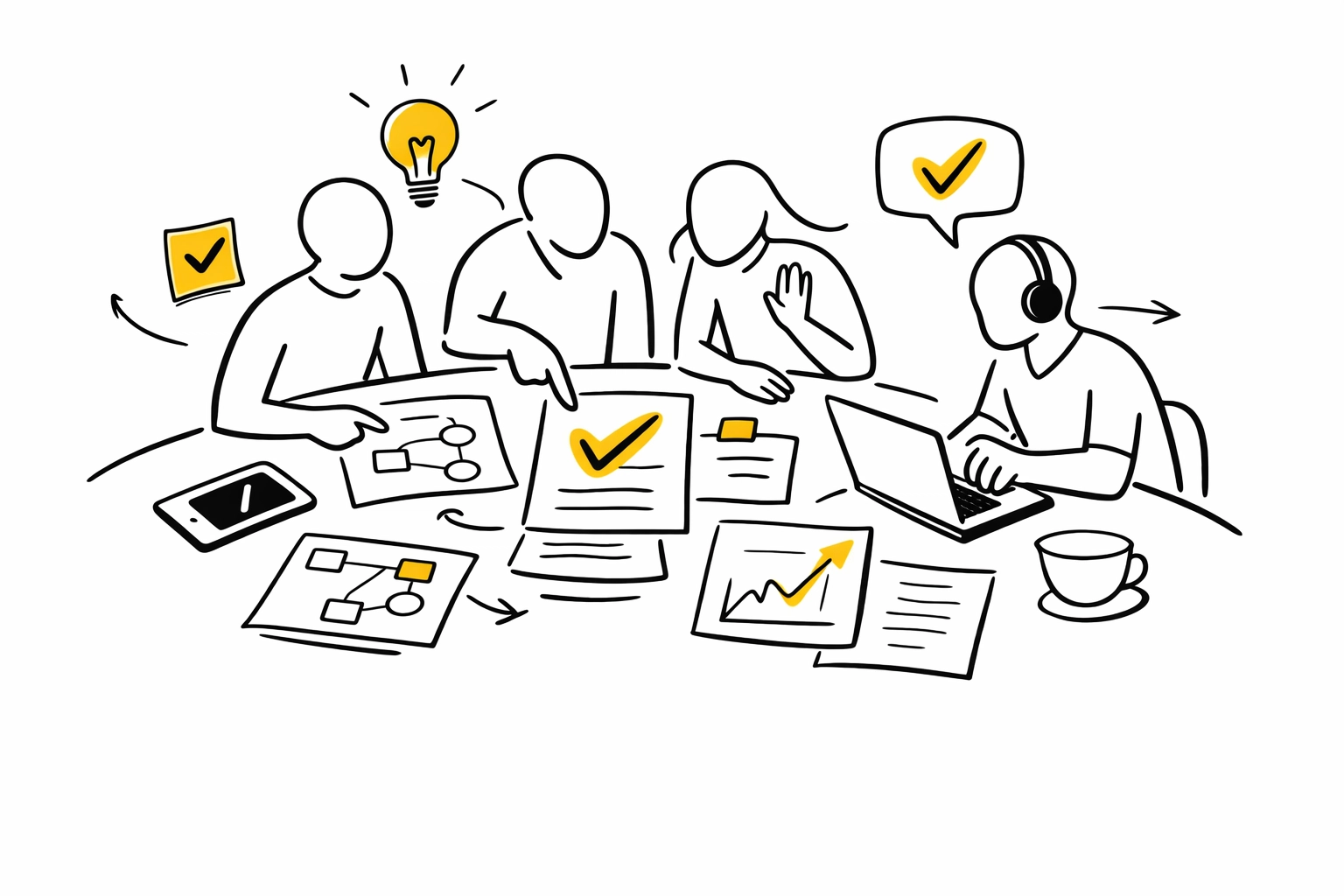
Consider running "fire drill" scenarios where your team practices responding to hypothetical situations: What if a competitor launches a major campaign tomorrow? What if a post unexpectedly goes viral? What if a PR crisis hits? These practice runs build the muscle memory your team needs to react confidently when real opportunities or challenges appear.
Maintaining Momentum: The Compound Effect of Consistent Agility
Here's what separates decent skiers from Olympic champions: it's not just making one good turn: it's maintaining speed and precision through dozens of consecutive gates. In marketing terms, real-time agility isn't a one-time tactic; it's a sustained operational mindset.
When you consistently monitor performance, make quick adjustments, learn from results, and refine your approach, you create a compound effect. Each small improvement builds on the last. You get better at spotting opportunities earlier, responding faster, and executing more effectively.
This is where tools like real-time analytics and agile content strategies become not just helpful but essential. They're your skis, your poles, your training regimen: the fundamental equipment that makes high-speed performance possible.
The brands winning in 2026 aren't necessarily the ones with the biggest budgets. They're the ones who can spot a trending conversation on Monday morning, create relevant content by Monday afternoon, and amplify it before Tuesday. They're the ones who notice a campaign underperforming on Wednesday and have adjusted the strategy by Thursday. They're the ones carving precise lines down the digital slopes while their competitors are still deciding which run to take.
Your Starting Gate Awaits
Real-time marketing agility isn't about being reckless or reactive: it's about combining preparation with responsiveness. It's about having the systems, skills, and mindset to make smart, fast decisions when opportunities appear or challenges emerge.
So here's your action plan: Start small. Pick one campaign or channel where you'll implement real-time monitoring this week. Set up a dashboard, establish check-in times (daily, not monthly), and give your team clear authority to make adjustments based on what they see. Run your first sprint, review the results, and refine your approach.
Because on the digital slopes of 2026, standing still isn't even an option. You're either carving your line with confidence and precision, or you're watching everyone else's powder trails while you're stuck at the top figuring out your quarterly plan.
Time to push off and start racing. The gates are set, the course is ready, and your competitors are already halfway down the mountain. Let's get moving.
0 Comments