

Rethink How You Grow: Inclusive Design as a Game Changer
If you’ve ever thought of website accessibility as just a compliance checkbox or an “add-on” for a specific audience, it’s time to flip the script. In 2025, inclusive design isn’t just the right thing to do—it’s fast becoming an essential growth strategy. Here’s why: making your website accessible directly impacts your reach, discoverability, and even your bottom line. As more brands catch on, accessibility is shaping up to be the new SEO arms race.
Let’s break down how accessible design is fueling the next wave of digital growth (and how you can ride it).
1. Expanded Market Reach—Tapping Into an Overlooked Audience
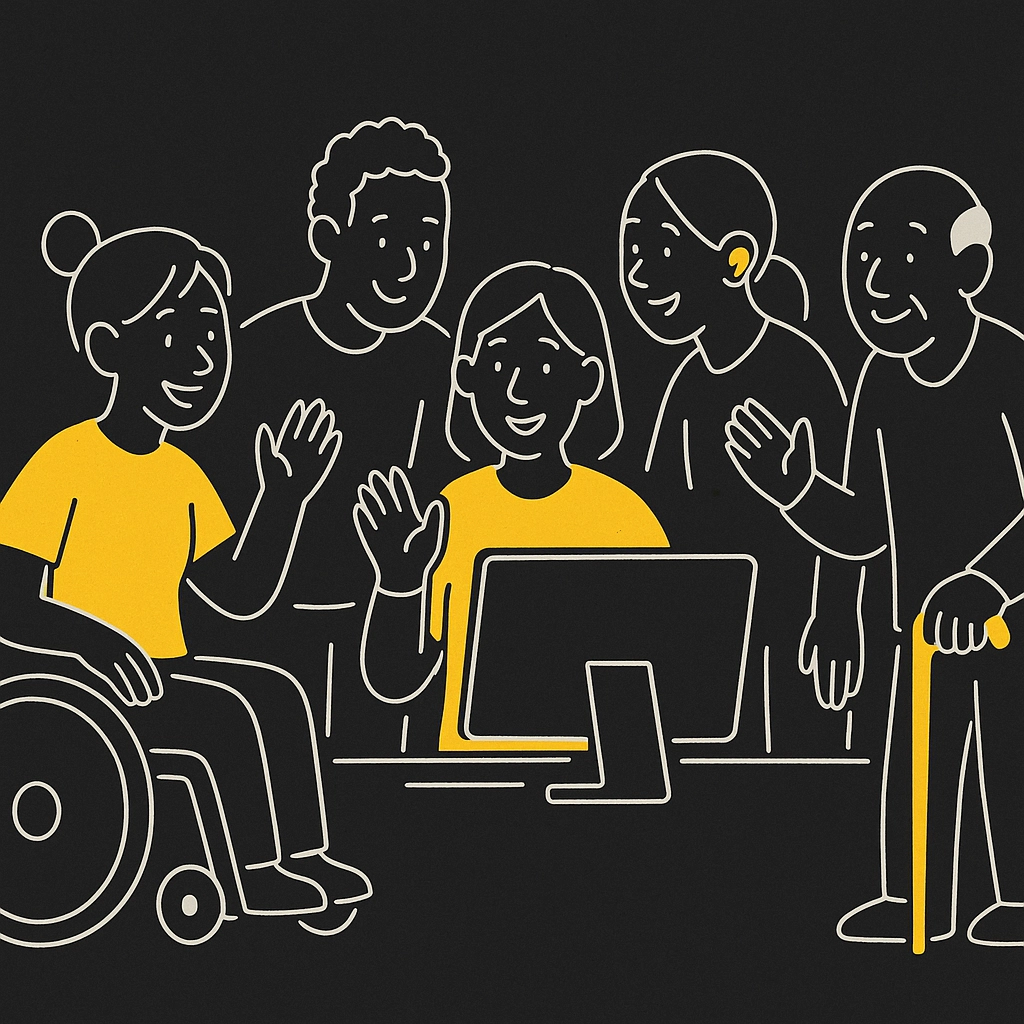
It’s wild, but over 27% of U.S. adults live with a disability. Zoom out globally, and you’re talking about more than 1 billion people who rely on assistive technologies like screen readers or keyboard navigation. What does that mean for your business? Simply put: if your website isn’t accessible, you’re waving goodbye to a huge pool of potential customers.
Accessible websites remove participation barriers, whether it’s clear contrast ratios for vision-impaired users, logical heading structure for screen readers, or keyboard-friendly navigation for those who can’t use a mouse. These small changes can add up to a major boost in engagement, conversions, and brand loyalty.
The bottom line:
Designing for the broadest possible audience = instant growth hack. When 1 out of every 4 Americans has some form of disability, leaving them out is just bad business.
2. The SEO Superpowers of Accessibility
Think of accessibility as SEO’s not-so-secret best friend. Search engines like Google rank sites based on how easily they can “read” and understand your content—and that’s exactly what accessibility best practices deliver.
Here’s how accessibility ramps up your search results:
- Semantic HTML: Uses correct tags (like
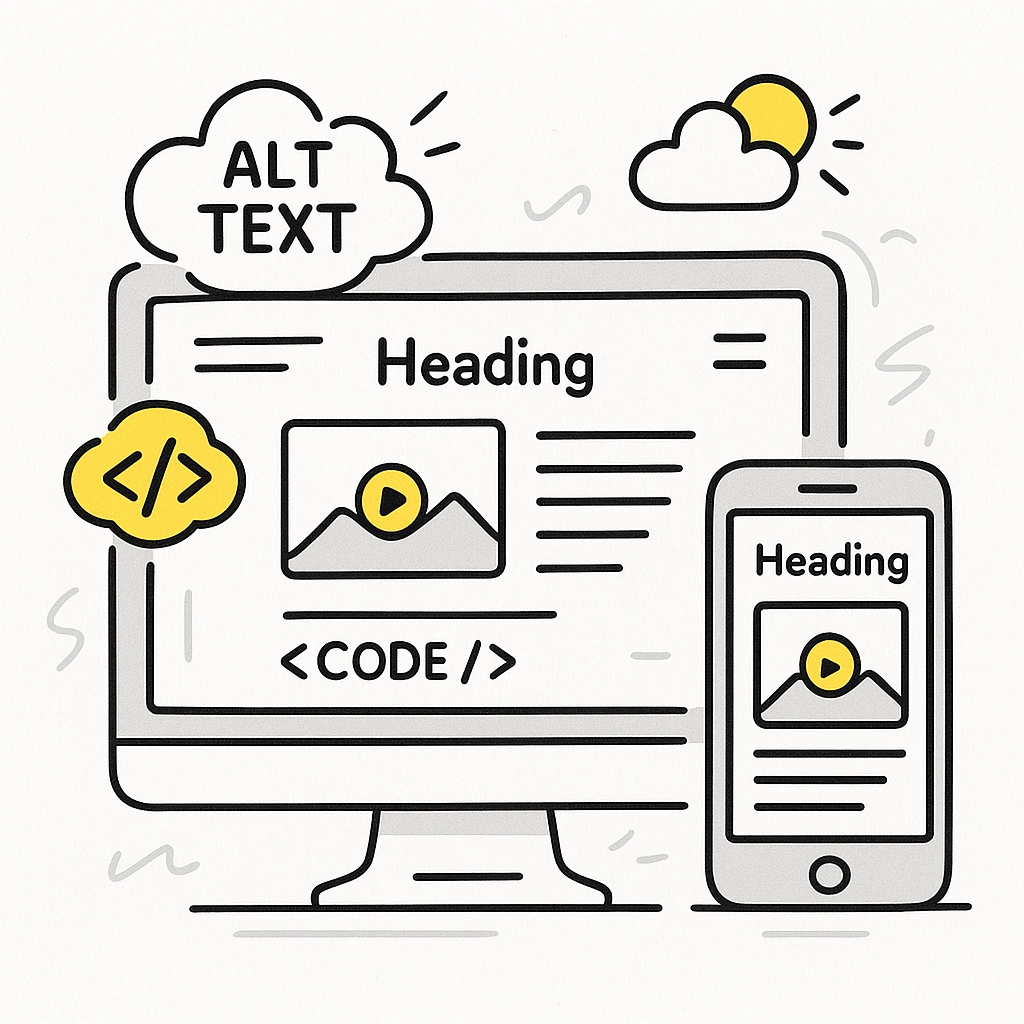
<header>,<nav>,<main>,<article>), making your content understandable for both assistive tech and search bots. This helps Google index your pages more effectively (and can even win you rich results or featured snippets). - Alt Text on Images: Alt text isn’t just for screen readers. It gives Google context about your images, boosting your visibility on image search and increasing your overall relevance.
- Proper Heading Hierarchy: Clear, logical header tags (H1-H6) are loved by both users and crawlers. Structured content makes your info easier to scan—Win-win!
- Descriptive Link Text: “Click here” is dead. Modern SEO (and screen readers) reward links that actually describe where they’re going.
- Clean, Lightweight Code: Cutting the bloat means faster load times—a direct factor in Google’s Core Web Vitals and a better user experience for everyone.
Real talk:
If your content is easy for people with disabilities to access, it’s almost guaranteed to be friendly to search engines. That gets you indexed, ranked, and found in more places than your non-accessible competition.
3. Cost Savings—Efficiency Baked In
There’s this myth floating around that “making a website accessible is just going to cost more.” Sure, retrofitting an old, clunky site to meet modern standards might hurt—but getting accessibility right from the jump pays for itself (and then some).
How inclusivity saves you money:
- Reduced Server Costs: Clean, efficient code (a hallmark of accessible websites) means lighter pages and less stress on your servers. Less bloat = faster load times and lower hosting bills.
- Lower Maintenance: When your site’s structure is logical and standardized, it’s easier to maintain, update, and debug. Emergency fixes for accessibility (think: lawsuits or last-minute overhauls) are always more expensive than planning ahead.
- Avoiding Costly Lawsuits: With digital accessibility lawsuits rising every year, playing fast and loose with compliance is a risky bet. Getting ahead of the curve can save you major headaches—and legal fees—down the line.
4. Brand Reputation & Trust—The Inclusive Advantage
Today’s consumers care about who they buy from (and what those brands stand for). Prioritizing accessibility signals your company values inclusivity, innovation, and ethical business practices. That doesn’t just boost your reputation; it’s a magnet for talent and loyal customers alike.
More perks:
- Compliance as a Shield: Meeting WCAG or ADA standards isn’t just good PR; it insulates you from legal risk and demonstrates a proactive commitment to social responsibility.
- Differentiation: While your competitors scramble to fix inaccessible sites, your brand is already welcoming everyone with open arms. That leaves a serious impression.
5. Core Web Vitals and the Accessibility Connection
You’ve probably heard Google talking about “Core Web Vitals” lately—basically, a set of metrics that focus on user experience (site speed, interactivity, layout stability, etc.). The kicker? Every one of these metrics tends to improve when you build accessibly.
- Clean code translates to faster loading (better Largest Contentful Paint).
- Predictable layouts reduce visual shifts (better Cumulative Layout Shift).
- Keyboard navigation, skip links, and clear structure mean improved usability across the board.
In short: Prioritizing accessibility doesn’t just check a box—it launches your site to the top of the rankings.
6. Key Accessibility Moves You Can Make Right Now
Ready to make your website more accessible (and competitive)? Start here:
- Use clear headings and semantic tags throughout every page.
- Describe every image with helpful, relevant alt text.
- Ensure high color contrast between foreground and background.
- Make all features navigable with a keyboard—no mouse required.
- Caption videos and transcribe audio content.
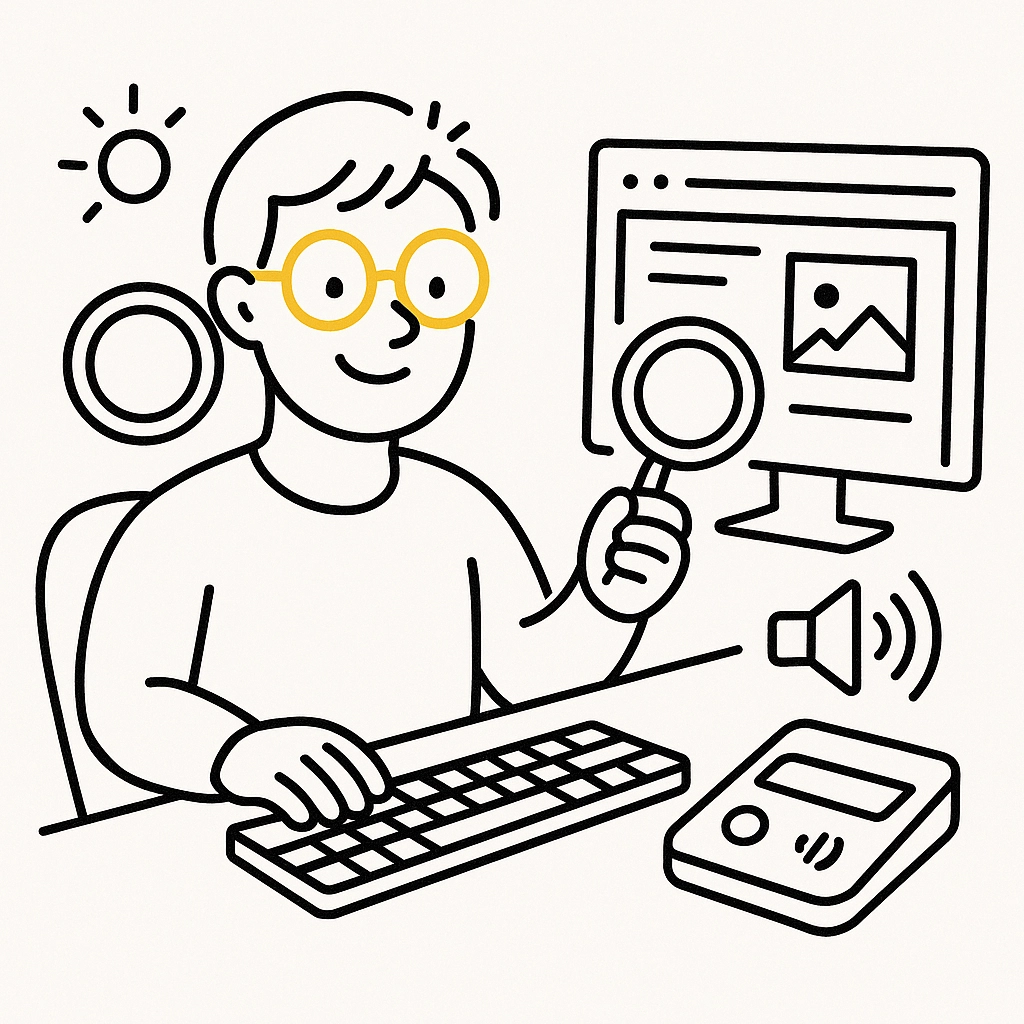
- Test with screen readers and other assistive technologies regularly.
- Audit your site with accessibility checkers (like Axe or Lighthouse).
These changes don’t just help users with disabilities—they slash bounce rates, drive deeper engagement, and absolutely juice your SEO.
7. Looking Ahead: Accessibility Isn’t Optional
The digital world is only getting more crowded and competitive. Building an accessible website is one lever you can pull for long-term success—across discoverability, loyalty, efficiency, and reputation. The sooner you start, the faster you’ll see the benefits compound.
Want to know where your website stands on the accessibility scale? Or just want some fresh perspective on giving your digital presence a growth-centric upgrade? Connect with us at 141 Creative—we’re always ready to talk shop, audit your user experience, or help you design (and market) a web presence that leaves no audience behind.
Ready to level up? Accessibility is your new best-kept secret for scaling smarter in 2025. The brands who get this right won’t just win the SEO game—they’ll lead the digital pack into a more inclusive, impactful future.
0 Comments