
Look, we get it. Digital marketing feels like that friend who's always changing their mind about what restaurant they want to go to. Just when you think you've figured it out, someone tells you everything you knew was wrong, and suddenly you're spiraling into a rabbit hole of conflicting advice on LinkedIn.
But here's the thing, some of the "wisdom" floating around the digital marketing world is about as useful as a chocolate teapot. These myths have been hanging around longer than your high school crush's Facebook relationship status, and it's time we put them to rest.
So grab your favorite caffeinated beverage and let's bust some myths that seriously need to pack their bags and move out of 2026.
Myth #1: "Digital Marketing Is Only for Big Businesses"
Record scratch Hold up. This myth is so 2015, it probably still thinks Vine is coming back.
The beauty of digital marketing is that it's the great equalizer, like karaoke, but for businesses. You don't need a Fortune 500 budget to make some serious noise online. In fact, small businesses often have a secret weapon that big corporations would kill for: authenticity and agility.
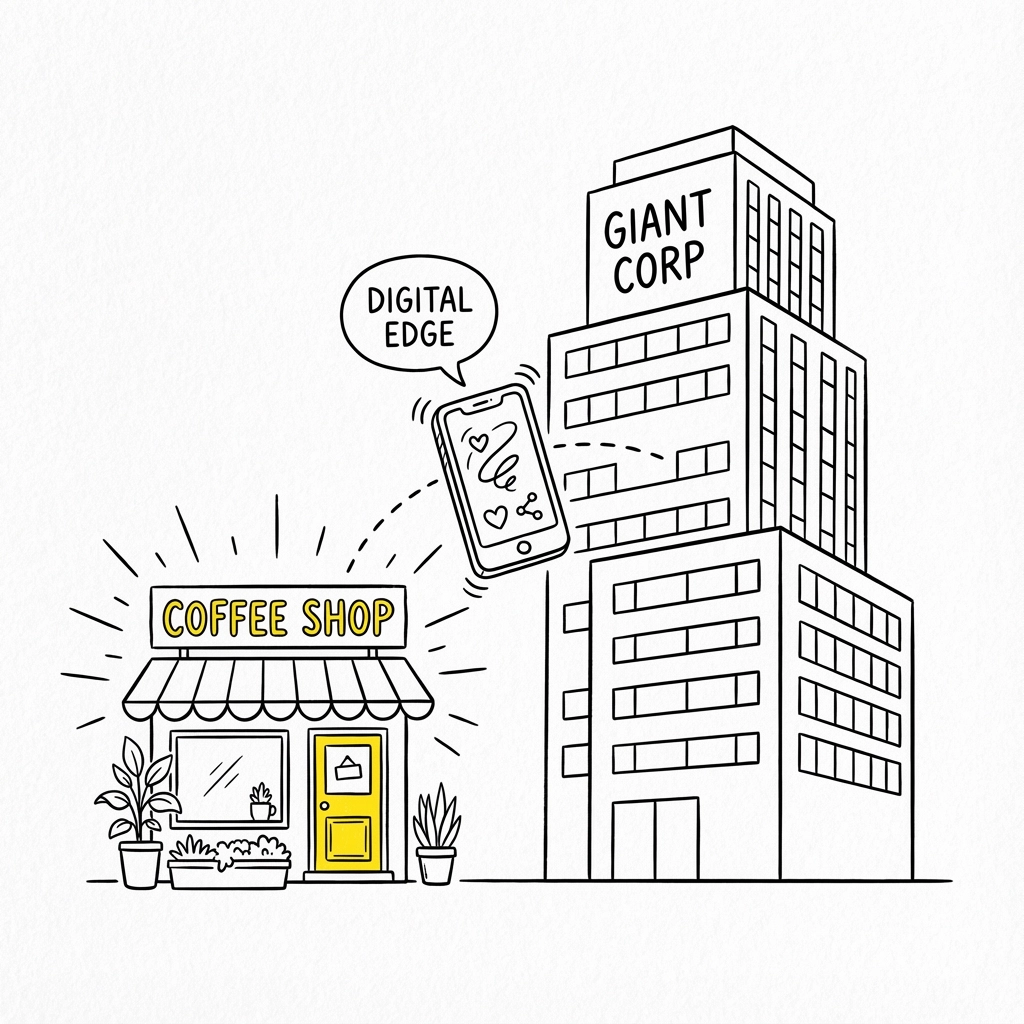
Think about it. While Big Corp is scheduling seventeen meetings to approve a single Instagram post, you can pivot your strategy faster than a TikTok trend. Small businesses are crushing it with targeted local SEO, engaging directly with customers on social media, and creating content that actually resonates with real people (not focus groups).
Take our friends at local coffee shops, they're not running Super Bowl ads, but they're building loyal communities through Instagram Stories, Google My Business optimization, and email newsletters that people actually want to read. They're proving that David can absolutely take down Goliath, armed with nothing but Wi-Fi and a solid content strategy.
The numbers don't lie either. Small businesses that embrace digital marketing see an average increase of 25% in revenue within the first year. Not too shabby for something that's supposedly "only for the big guys."
Myth #2: "You Need a Massive Budget to See Results"
Ah, the classic "I need to spend like I'm Jeff Bezos to see any return" mentality. This myth has probably scared more small business owners away from digital marketing than a horror movie marathon.
Here's some truth tea for you: the most successful campaigns we've seen weren't the ones with the biggest budgets, they were the ones with the smartest strategies.
You can start seeing results with as little as $5 a day on Facebook ads if you know what you're doing. (Yes, that's less than your daily coffee habit.) The secret sauce isn't your wallet size, it's understanding your audience, creating compelling content, and testing what works.
Google Ads lets you set your own budget and pause campaigns anytime. Email marketing costs practically nothing but consistently delivers the highest ROI of any marketing channel. And don't even get us started on the power of organic content, some of the most viral marketing campaigns in history cost exactly zero dollars in media spend.
The real kicker? We've seen businesses waste six-figure budgets on poorly planned campaigns, while others turn $500 into $50,000 in revenue with smart targeting and creative content. It's not about how much you spend, it's about how strategically you spend it.
Myth #3: "Social Media Marketing Is Free and Easy"
Oh, sweet summer child. This myth is like saying "cooking is easy" because you can microwave a Hot Pocket.
Sure, creating a Facebook page is free. So is watching Netflix, but that doesn't make you a film critic. Real social media marketing, the kind that actually moves the needle, requires strategy, consistency, creativity, and yes, usually some budget for promotion.
The "easy" part? That went out the window when organic reach plummeted faster than a lead balloon. These days, if you post something on Facebook, roughly 2% of your followers will actually see it organically. Two percent! That's like throwing a party and only two people out of 100 show up.
Effective social media marketing means:
- Creating content calendars (and actually sticking to them)
- Engaging with your community daily
- Understanding each platform's algorithm
- Creating platform-specific content
- Analyzing performance metrics
- Running paid campaigns to boost reach
- Responding to comments and messages promptly
It's basically like being a content creator, customer service rep, data analyst, and creative director all rolled into one. Easy? Not so much. Rewarding when done right? Absolutely.
Myth #4: "More Traffic = More Sales (Always)"
This myth is like assuming every person who walks into your store is automatically going to buy something. Spoiler alert: they're not.
Traffic without strategy is like having a packed restaurant where everyone just orders water and leaves. Sure, you're busy, but your bank account isn't feeling it.
Quality beats quantity every single time. Would you rather have 10,000 visitors who bounce after three seconds, or 1,000 visitors who actually engage with your content and convert into customers? (If you chose the first option, we need to have a serious chat.)
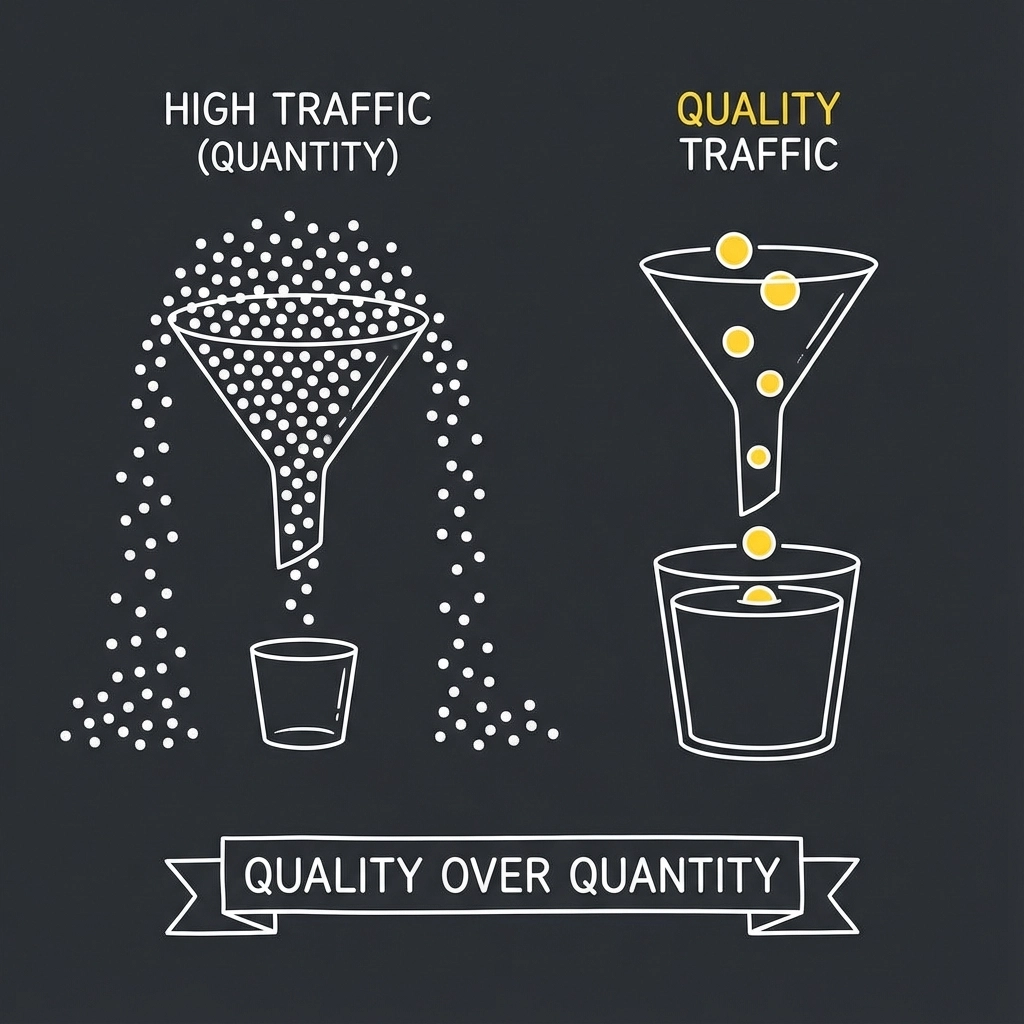
The magic happens when you focus on attracting the right traffic: people who are actually interested in what you're offering. This means:
- Targeting keywords with buying intent, not just high search volume
- Creating content that addresses real pain points
- Optimizing your website for conversions, not just clicks
- Understanding your customer journey
- Implementing retargeting strategies for visitors who don't convert immediately
We've seen websites with 50,000 monthly visitors make less money than sites with 5,000 highly targeted visitors. It's not about the size of the crowd: it's about finding the people who actually want to be there.
Myth #5: "You Must Be on Every Social Media Platform"
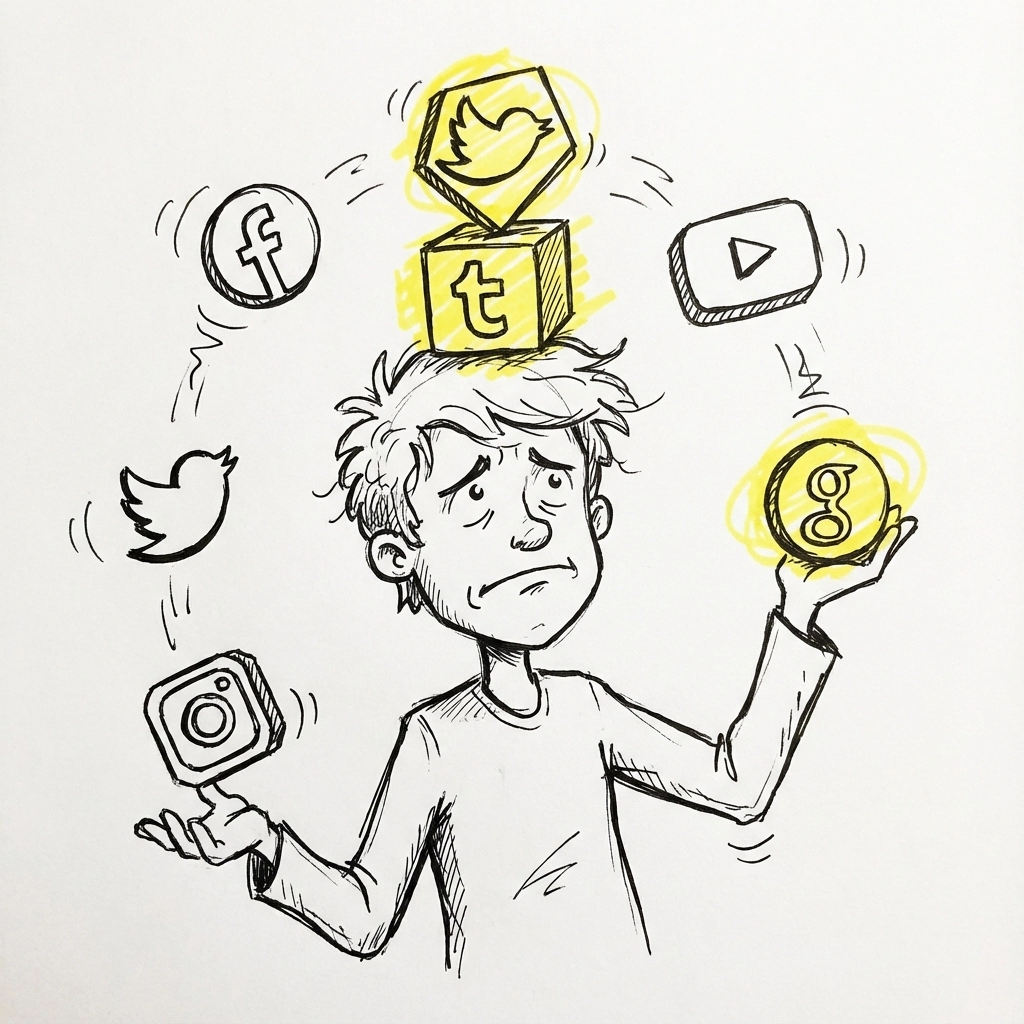
This myth has caused more digital marketing burnout than switching from coffee to decaf. The pressure to be everywhere, all the time, has turned business owners into social media zombies: shuffling from platform to platform, posting mediocre content everywhere instead of creating great content somewhere.
Here's a radical idea: what if you just… didn't? What if instead of spreading yourself thinner than butter on hot toast, you picked 2-3 platforms and absolutely crushed it there?
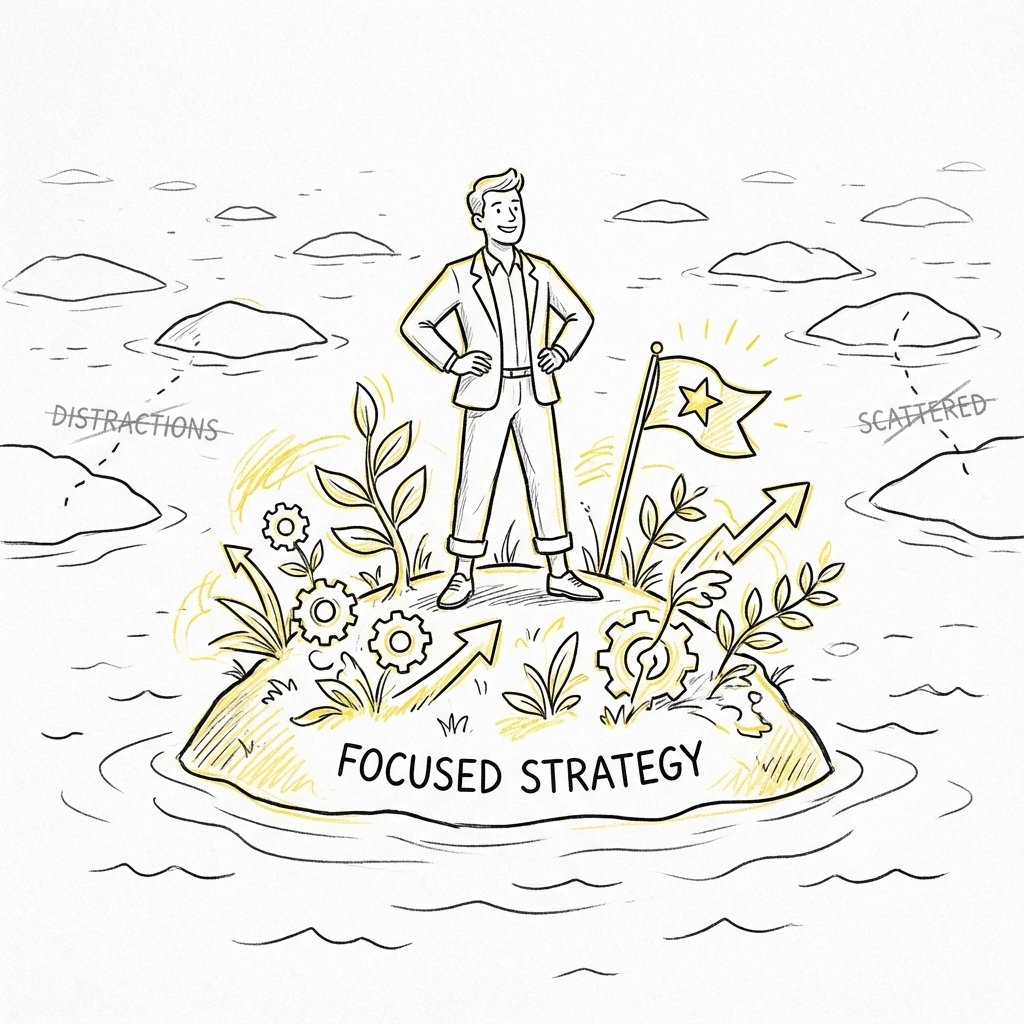
Your customers aren't expecting to find you on every platform any more than they expect to find their favorite restaurant in every city. They want to find you where it makes sense: where you can provide value, engage authentically, and build real relationships.
Before you set up that Clubhouse account (remember Clubhouse?), ask yourself:
- Where does my target audience actually spend their time?
- What type of content do I create best?
- What platforms align with my business goals?
- How much time can I realistically dedicate to each platform?
It's better to be the undisputed champion of Instagram than the forgettable participant on eight different platforms. Quality over quantity, always.
The Bottom Line
These myths have been holding businesses back for way too long. Digital marketing in 2026 isn't about following outdated rules or copying what worked five years ago: it's about understanding your audience, creating genuine value, and being strategic with your resources.
At 141 Creative, we've seen these myths derail more marketing strategies than we care to count. But we've also seen what happens when businesses break free from these limiting beliefs and embrace what digital marketing actually is: a powerful tool for connecting with the people who matter most to your business.
Ready to ditch the myths and build a digital marketing strategy that actually works? Let's start a conversation about what's possible when you stop believing the hype and start focusing on what really moves the needle.
Time to leave these myths in the digital dust where they belong. Your 2026 marketing strategy will thank you.
0 Comments